
Harjeet, T-Cell Lymphoma
Harjeet, T-Cell Lymphoma
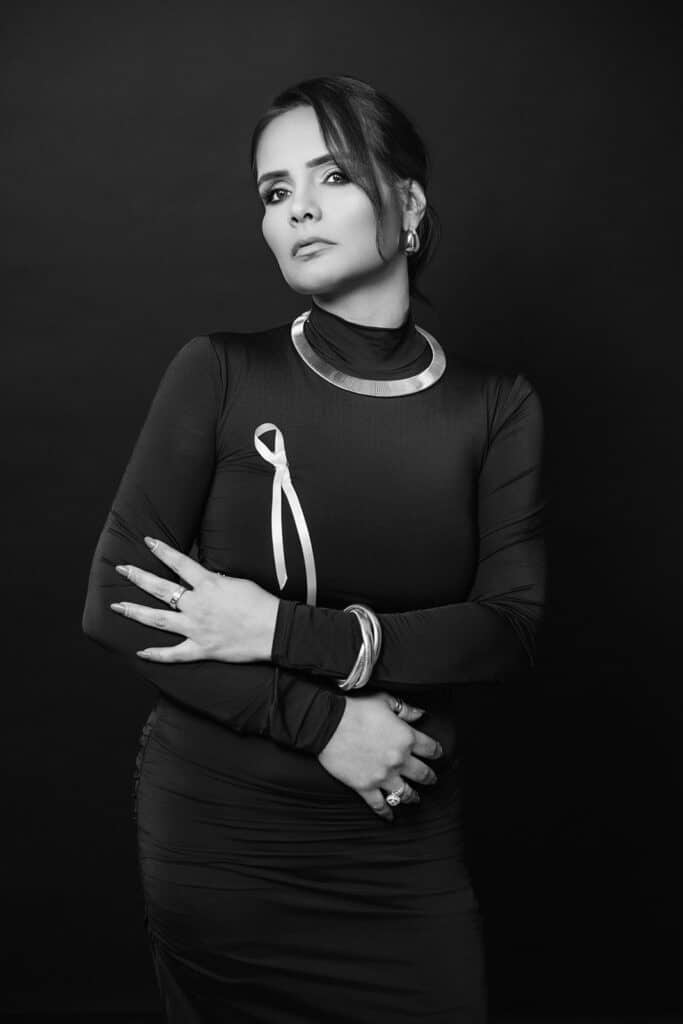
In August 2019, just one year after immigrating to Canada, my life changed forever. I was diagnosed with stage 4 subcutaneous panniculitis T-cell lymphoma with Hemophagocytic Lymphohistiocytosis (HLH), an ultra-rare and aggressive blood cancer.
At the age of 32, when I was supposed to be building stability, community, and a family in a new country, I instead found myself fighting for survival and my life.
The Road to Diagnosis
The early symptoms were confusing — persistent high fevers for three months (39–42°C), extreme fatigue, and unexplained weight gain.
It took nearly three months of hospital stays, biopsies, surgeries, and repeated blood tests before doctors were able to identify what was happening. By the time I received my diagnosis, my cancer had already advanced to stage 4.
Navigating this journey as a young immigrant in a new healthcare system was overwhelming. I felt isolated, scared, and uncertain of what lay ahead.
The Fight for Survival
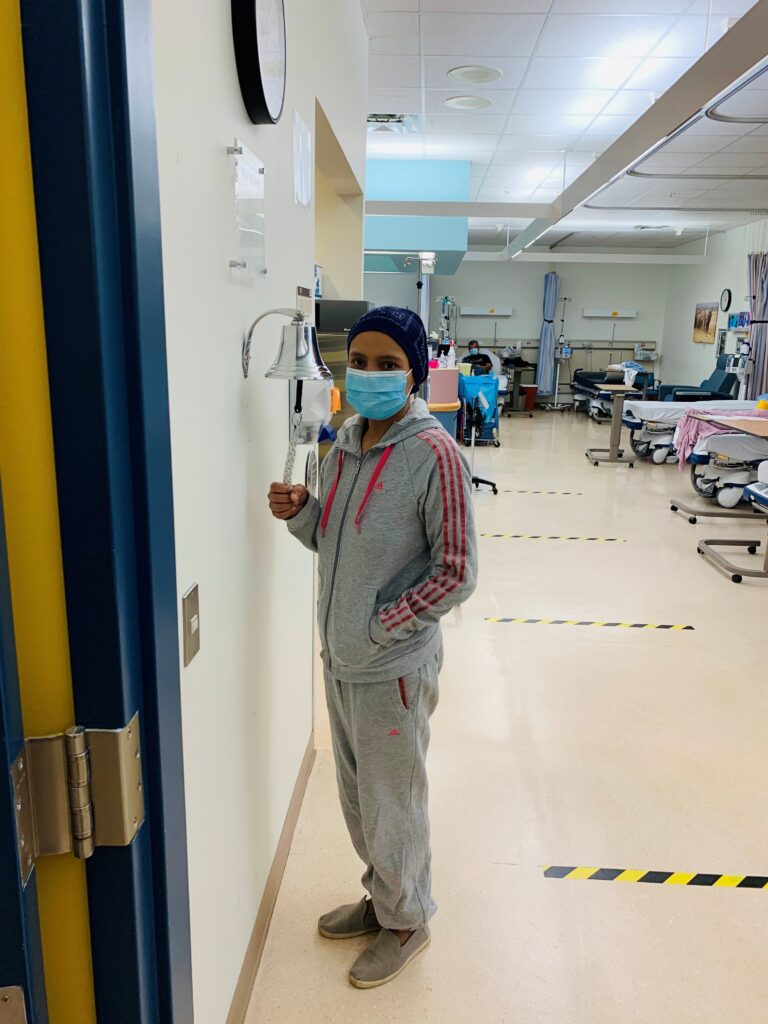
I began aggressive chemotherapy right away. The treatments were harsh, and the side effects relentless. I went through multiple rounds of chemotherapy, blood transfusions, two months of hospitalizations, and several infections. I lost my hair, my energy, and for a time, I felt I was losing myself every day.
Adding to the challenge was the cultural stigma surrounding cancer in my South Asian community. Talking openly about cancer was rare, and often avoided. This silence made me feel even more alone, carrying not just the physical toll of the disease but also the weight of unspoken fears. My family supported me the best they could, but there was always quiet worry in the room whenever cancer was mentioned.
In April 2020, at the height of the COVID-19 pandemic, I underwent a stem cell transplant with my brother as my donor. I was completely isolated for 35 days, unable to see my family. The loneliness was intense, but I also witnessed the best of patient-centered care. My oncologists, transplant team, nurses, and staff came together to treat not just my disease, but my whole person — emotionally, mentally, and physically. Their compassion gave me strength in my weakest moments.
Life After Treatment
The transplant gave me another chance at life. But survivorship brought its own challenges. Cancer doesn’t end when treatment ends.
I experienced long-term side effects, was pushed into early menopause at just 32, and continue to live with “scanxiety” before every follow-up. The journey after treatment became about rebuilding not only my health but also my identity and sense of purpose.
Finding My Voice
Over time, I began to share my story publicly through my social media — using it as a safe space, almost like a digital diary, to express myself. I realized that hope grows when it is shared. Speaking openly about my journey allowed me to heal and helped break the silence in my community. I wanted to show that cancer is not something to be ashamed of or suffered through in silence — it is something we can confront together.
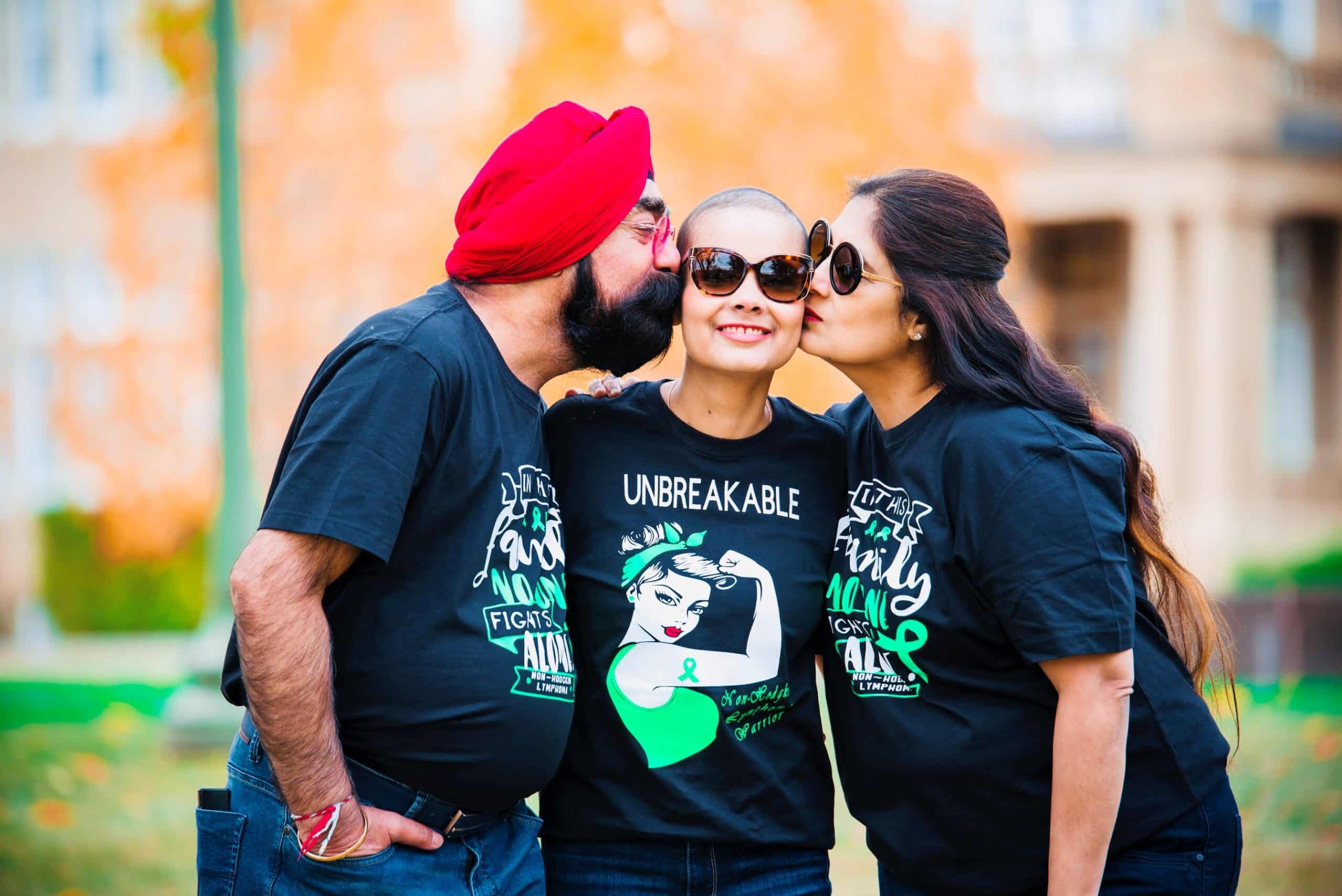
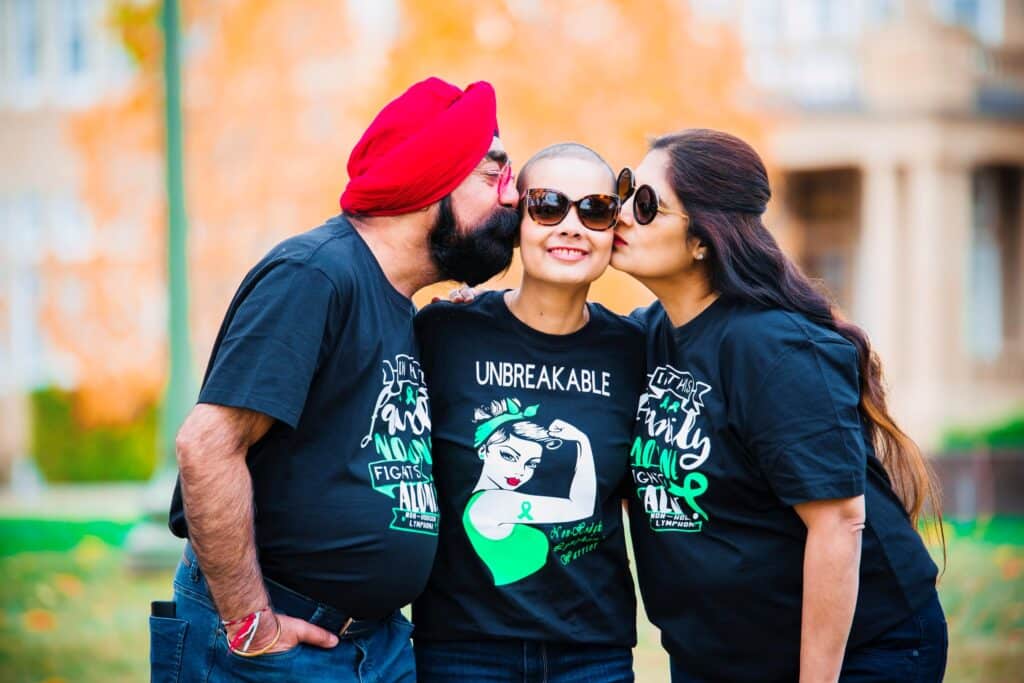
Over time, I began to share my story publicly through my social media — using it as a safe space, almost like a digital diary, to express myself. I realized that hope grows when it is shared. Speaking openly about my journey allowed me to heal and helped break the silence in my community. I wanted to show that cancer is not something to be ashamed of or suffered through in silence — it is something we can confront together.
Through these roles, I have advocated for health equity, amplified underrepresented voices, and supported patients and families navigating the same fear and uncertainty I once faced.
Lessons Learned
- Hope is active. It is a choice to show up every day, even when fear and exhaustion weigh heavily.
- Community is powerful. Silence isolates us, but sharing our stories brings healing and connection.
- Patients are partners. True healing happens when healthcare systems value lived experience and provide whole-person care.
To anyone facing a lymphoma diagnosis or walking through survivorship: you are not alone. The fear, the uncertainty, and the losses are real — but so is your strength. Every step you take, no matter how small, is a victory.
A Message to Others
To anyone facing a lymphoma diagnosis or walking through survivorship: you are not alone. The fear, the uncertainty, and the losses are real — but so is your strength. Every step you take, no matter how small, is a victory.
Today, I celebrate my 6-year cancerversary and 5 years post-stem cell transplant. These milestones remind me that even in the darkest times, there is light. Cancer changed my life in ways I never expected, but it also gave me purpose.
My mission now is to turn pain into purpose, to share hope, and to ensure that no one faces cancer in silence.