


What is Lymphoma?
Understanding Lymphoma
Lymphoma is the most common type of blood cancer in adults and the third most common type of cancer overall in children. Each year, more than 100,000 people in the United States are diagnosed with lymphoma or chronic lymphocytic leukemia (CLL).
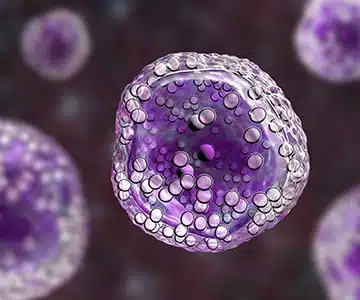
About Lymphoma & Subtypes
Blood cancers, including lymphoma, are extremely diverse and can involve a variety of treatment options, often in combination.
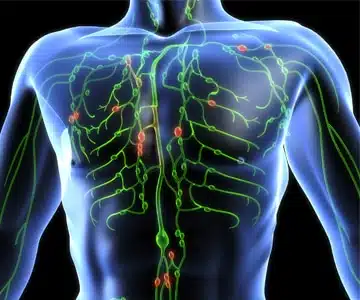
Lymphoma & The Immune System
Lymphoma is a type of blood cancer that occurs when lymphocytes, white blood cells that help protect the body from infection and disease, begin behaving abnormally.

Treatment Options
Blood cancers, including lymphoma, are extremely diverse and can involve a variety of treatment options, often in combination.
Lymphoma Journey
Each person’s experience with lymphoma is different, and how they cope with the physical and emotional impact of having this disease is unique to their situation. Below, you’ll find information and tools patients and their loved ones may find helpful based on where they are in their lymphoma journey.

Awaiting or Recent Diagnosis
Someone who is awaiting a diagnosis, recently diagnosed, or soon-to-be treated.

Lymphoma Returned
Someone whose lymphoma has relapsed (returned) or is refractory (progressed) after treatment.

Remission or Long-term Survivorship
Someone who has been declared in remission or cured from lymphoma by a healthcare professional.