
Researcher Spotlight
Researcher Spotlight: Amin Aalipour, MD, PhD
Dana-Farber Cancer Institute
Paul Walker Schaffel Scholar
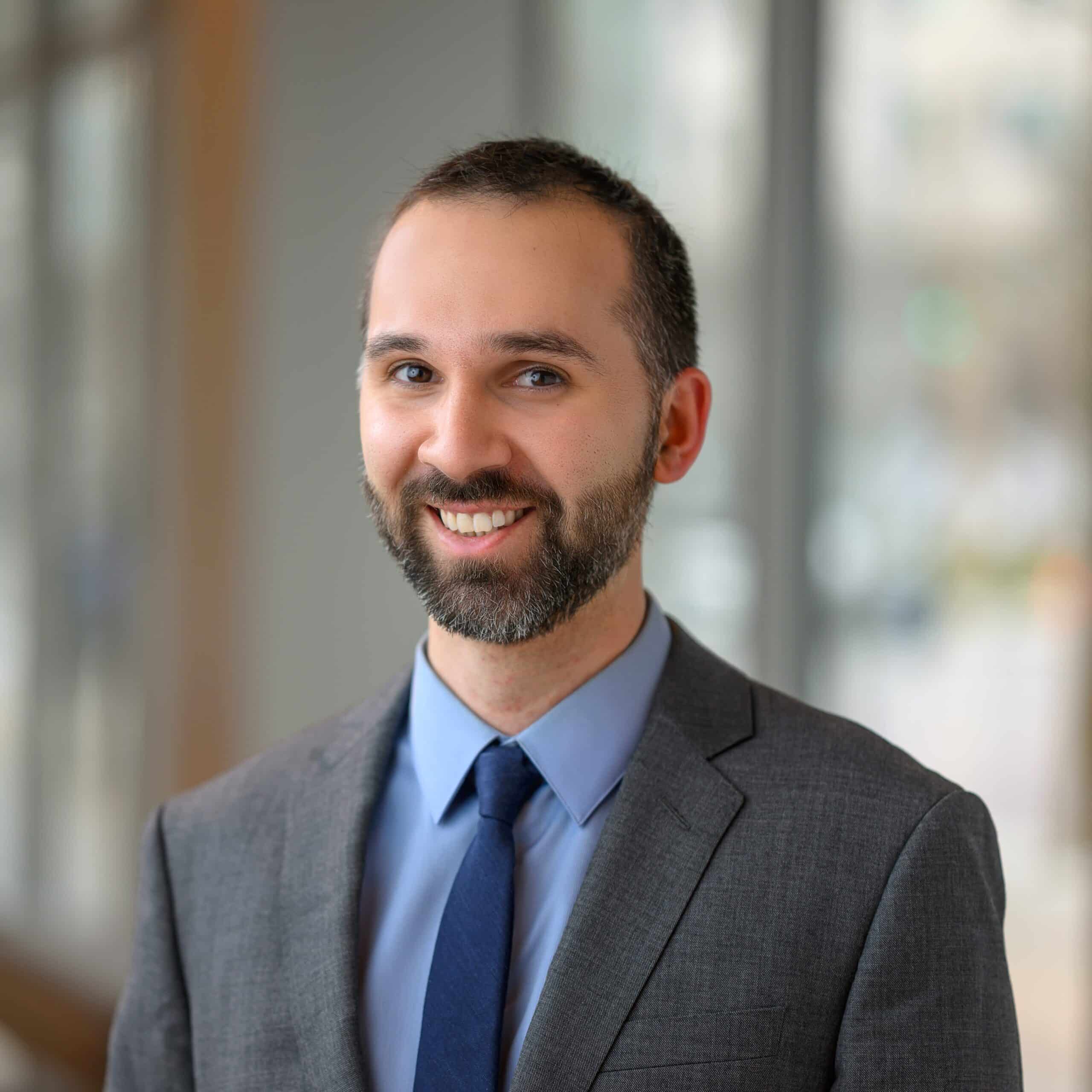
Chimeric antigen receptor (CAR) T-cell therapy has emerged as a transformative treatment option for many patients with lymphoma, but many patients still eventually relapse with time. Understanding the mechanisms of relapse after CAR T-cell therapy remains a central challenge in the lymphoma research field, and Dr. Aalipour’s work aims to uncover the role of the immune system in these processes. “A key part of the answer lies in cytokines, which are the molecular signals that act as fuel for T cells,” he explains. “Without the right cytokine environment, even the most potent CAR T cells can exhaust or fail to persist long enough to do their job.”
Dr. Aalipour’s research focuses on the development of a system for the modular reprogramming of cytokine signaling within CAR T cells, essentially giving them the tools to help them better sustain themselves and maintain their cancer-fighting functions. “The goal is a flexible toolkit that can be adapted and optimized across different lymphoma subtypes and patient contexts,” he says. “Ultimately, I hope this work contributes to a future where more patients achieve deep, durable remissions after CAR T-cell therapy.”
As a physician scientist with a background in engineering, Dr. Aalipour’s research marries his two passions: technology development and the translation of research into meaningful outcomes for lymphoma patients. “Lymphoma is a remarkable disease to study, in part because the therapeutic landscape is so rich and rapidly evolving,” he adds. “From small molecules and antibody-drug conjugates to bispecific antibodies and CAR T-cell therapy, lymphoma sits at the intersection of nearly every exciting modality in modern oncology.”
With the support of the Lymphoma Scientific Research Mentorship Program, Dr. Aalipour hopes to develop an integrative research program that combines synthetic biology, protein engineering, and high-throughput screening to develop cellular therapies that reshape the cancer immunity cycle.