

Researcher Spotlight
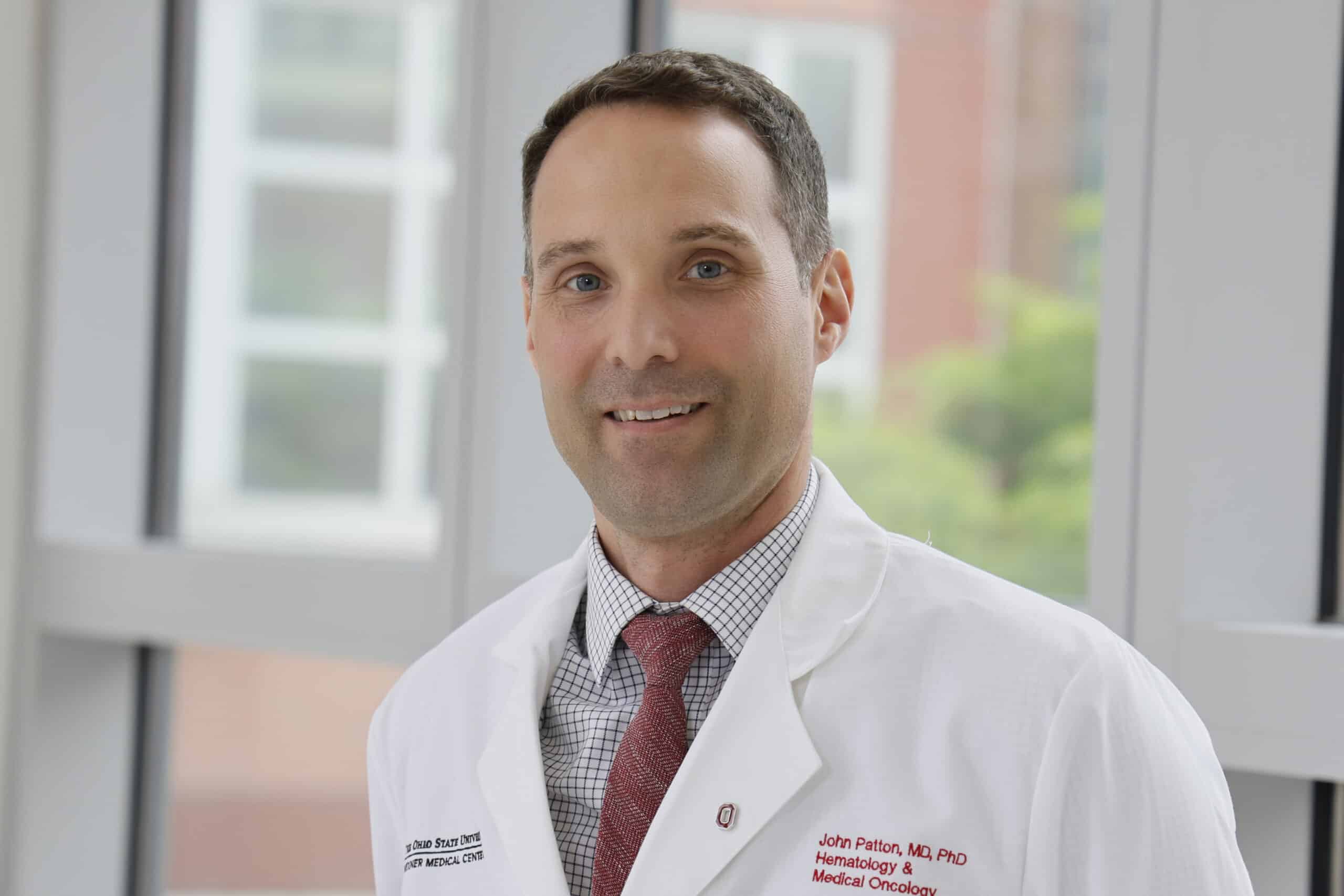
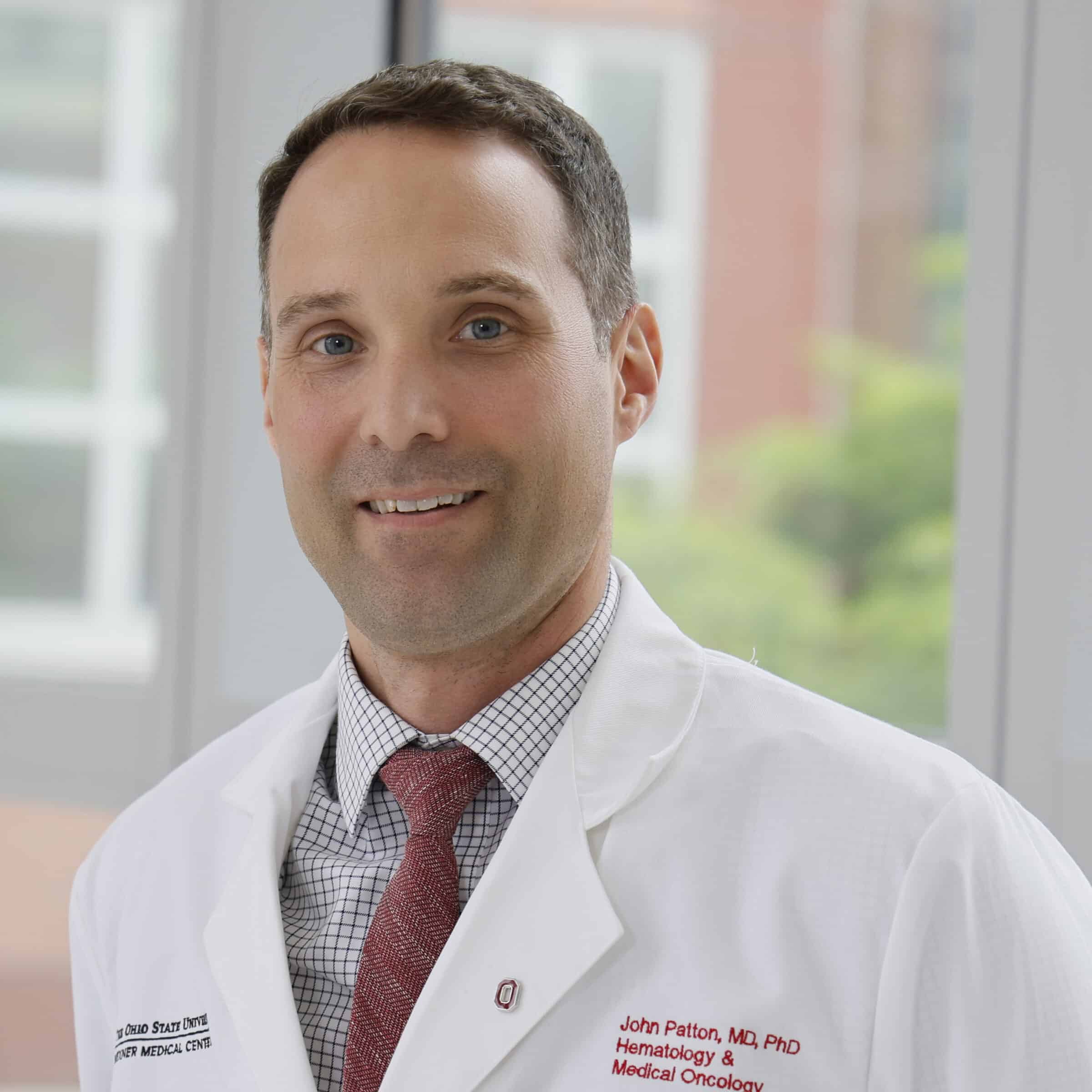
Researcher Spotlight: John Patton, MD, PhD
The Ohio State University
Warwick Foundation Scholar
Many lymphomas increase protein production to grow, survive, and evade the immune system. A key helper in this process is a molecule known as eIF4A. When eIF4A is active, it helps cells translate genetic instructions into proteins that promote tumor growth and immune evasion. “We have found that blocking eIF4A makes lymphoma cells more susceptible to being killed by the immune system,” says Dr. Patton. His research therefore aims to identify which genetic messages depend on eIF4A to drive immune suppression and to test whether inhibiting eIF4A can remodel the lymphoma microenvironment. “If successful, this work could provide preclinical evidence for a treatment strategy that both directly weakens lymphoma cells and improves responses to immunotherapies,” he explains. “Ultimately, it may help inform early-phase clinical trials and rational combination therapies.”
Dr. Patton was first drawn to a career in lymphoma research during his time as a graduate student at The Ohio State University. “During my PhD training, I saw firsthand how laboratory discoveries can translate into meaningful real-world impact for patients,” he says. “I also saw how much unmet need remains—especially for patients whose disease relapses or resists current therapies.” These experiences motivated him to pursue his medical degree so that he could directly care for the same patients he was working toward helping through his research. “Caring for patients underscores the urgency, especially when current therapies fall short, and it’s clear we need better options,” he says.
With the support of the Lymphoma Scientific Research Mentorship Program, Dr. Patton hopes to develop a collaborative research program focused on the development of novel treatments for B-cell lymphomas. “I want my lab to be known not only for strong science but also for teamwork across disciplines and for training the next generation of physician-scientists and researchers committed to improving patient outcomes,” he adds. “As I build my own program, I see mentorship as both a foundation and a responsibility, and I aim to create an environment where trainees develop strong scientific instincts, gain confidence in their ideas, and remain connected to the ultimate goal of improving outcomes for patients with lymphoma.”