
Elpida, Diffuse Large B-cell Lymphoma
Elpida, Diffuse Large B-cell Lymphoma
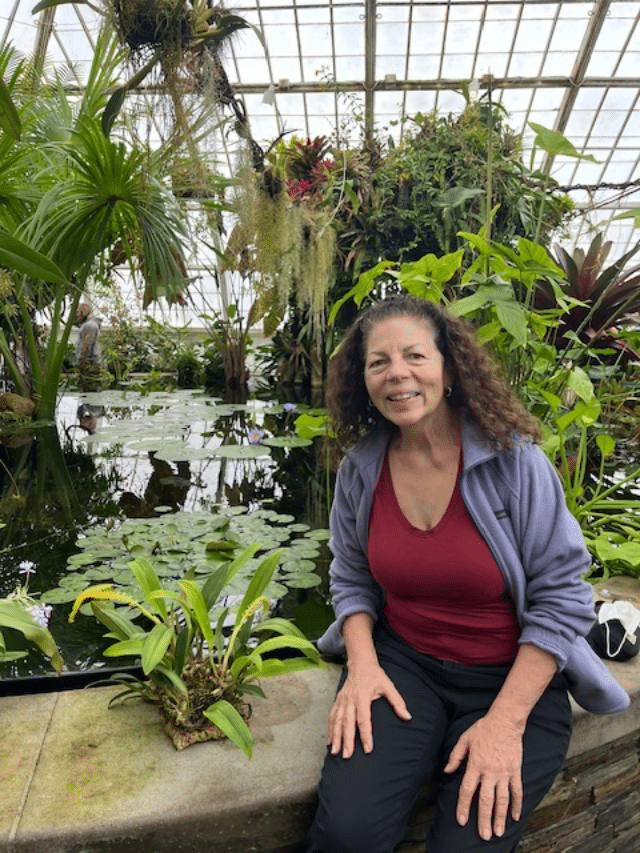
I am a 68-year-old female (my name Elpida means HOPE in Greek) and was planning my retirement from my legal admin assistant position on 5/28/26. One day, something told me to do a self-breast exam, which I usually never did. I felt a lump in my left breast. It made me nervous, so I immediately made an appointment with my OBGYN.
The doctor scheduled me to have a 3D mammogram. Once the X-rays were read, I was called by a radiologist and told I needed to have a needle biopsy of this breast lump. It was scheduled, and a needle biopsy of my left breast was done along with my left armpit lymph node.
After waiting almost 2 weeks, the doctor called, and on 6/3 I was told my diagnosis was diffuse large B-Cell lymphoma with CD5.
I had no idea what that meant. I was in shock; how could this be ME! I eat well, am a regular gym member, avid hiker, and bike rider. The doctor explained I had a blood cancer. This was not the retirement I was planning for!! A PET Scan was ordered, and then I had an appointment with a hematologist-oncologist at Kaiser Medical Center. The doctor gave me a LOT of new information, and my head was spinning.
The only good news I heard was that the cancer was not found anywhere else and was confined to my left breast, stage 1. The treatment protocol for me was to have a venous port put in to undergo 3 IV chemotherapies of R-CHOP drugs given intravenously and additional oral prednisone every 3 weeks. Later that day, the oncology doctor called me and stated that because my DLBCL had CD5, the cancer could infiltrate my central nervous system and brain, and I would need to be hospitalized to have methotrexate administered to me since it is very hard on the body and needs to be closely monitored. That was so scary in addition to hearing all about the original cancer treatment I needed to undergo.
The venous port was scheduled, and they give you heavy anesthesia but you are still awake. They surgically add this circular plastic contraption under your chest skin and a line that goes right into your jugular vein. The only aftercare instructions were to take Tylenol or ibuprofen for pain. Well, none of those worked and I couldn’t even turn my head without severe pain for 3 days. That was an awful start to this long journey.
I emailed the oncology department to suggest prescription pain medication for any future patients. It’s better to have it and not use it than to suffer as I did. After that, an oncologist nurse phone appointment is scheduled to explain each chemotherapy drug, the side effects (all terrible), and the oral medications you need to take after chemo, including giving yourself subcutaneous injections to boost your blood count, since the chemo kills all cells, not just the cancer cells. Also, stating you will experience complete hair loss. So much information at once, but no one can completely prepare you for your journey, and everyone is different in how it goes for them.
The chemotherapy is given in an infusion center. They sit you in a nice recliner and give you a warm blanket for comfort. They sterilize the port area and put the IV connection in to begin the IV drugs, 1 bag at a time, 4 total drugs given. The oncology nurses were so nice and informative. They really helped me through the 5+ hours I was there. Surprisingly, I did well; no adverse reactions at the time.
I did experience severe constipation on the 3rd day at home. I was told to eat small, frequent meals, but since I felt pretty well, I thought that advice was for people who experience more sickness. I took stool softeners and senna, but it took a long while to finally get relief. I found that Miralax and Metamucil taken daily kept me regular for the rest of the treatments. What I really learned is to watch your diet. I wasn’t given any directions on what to eat/not eat. Through trial and error, I had to figure it out on my own. Heavy foods don’t sit well. I believe the chemo slows your digestive system down, so eating more fruits and vegetables was better for me.
On the fourth day, my hair started falling out in big clumps. Knowing it would happen, but experiencing it was so devastating; I had a complete meltdown. I had long, thick, curly hair, and bam, just like that, it was gone. Luckily, I had cotton hats to wear since your scalp is so sensitive and vulnerable to sunburn. Two more chemotherapies followed and other than occasional nausea and GERD (I never had these symptoms before) I got through it.
A 2nd PET scan was scheduled and a follow-up oncologist appt. The doctor stated the CD5 research showed that people who took methotrexate did not have any difference in preventing the cancer from going to your central nervous system/brain from the patients who did not do the methotrexate treatment, so I decided I wouldn’t do that treatment.
GREAT NEWS, I was now cancer-free, but the doctor wanted me to do either targeted radiation therapy on my left breast or another round of chemo. I chose the chemo since I already knew what I could expect. The fourth chemo has left me with continued nausea every now and then, so I take the anti-nausea Rx they gave me, and it helps.
What really helped me mentally through all of it was my amazing husband coming with me to every chemo treatment and his support along the way. My family and close friends also called and texted me messages that lifted my spirits. I am also religious and prayed every day. This is my journey, and I hope it helps and enlightens someone else. I hope you are healed and remain cancer-free.