

Researcher Spotlight
Researcher Spotlight: Christina Poh, MD
City of Hope
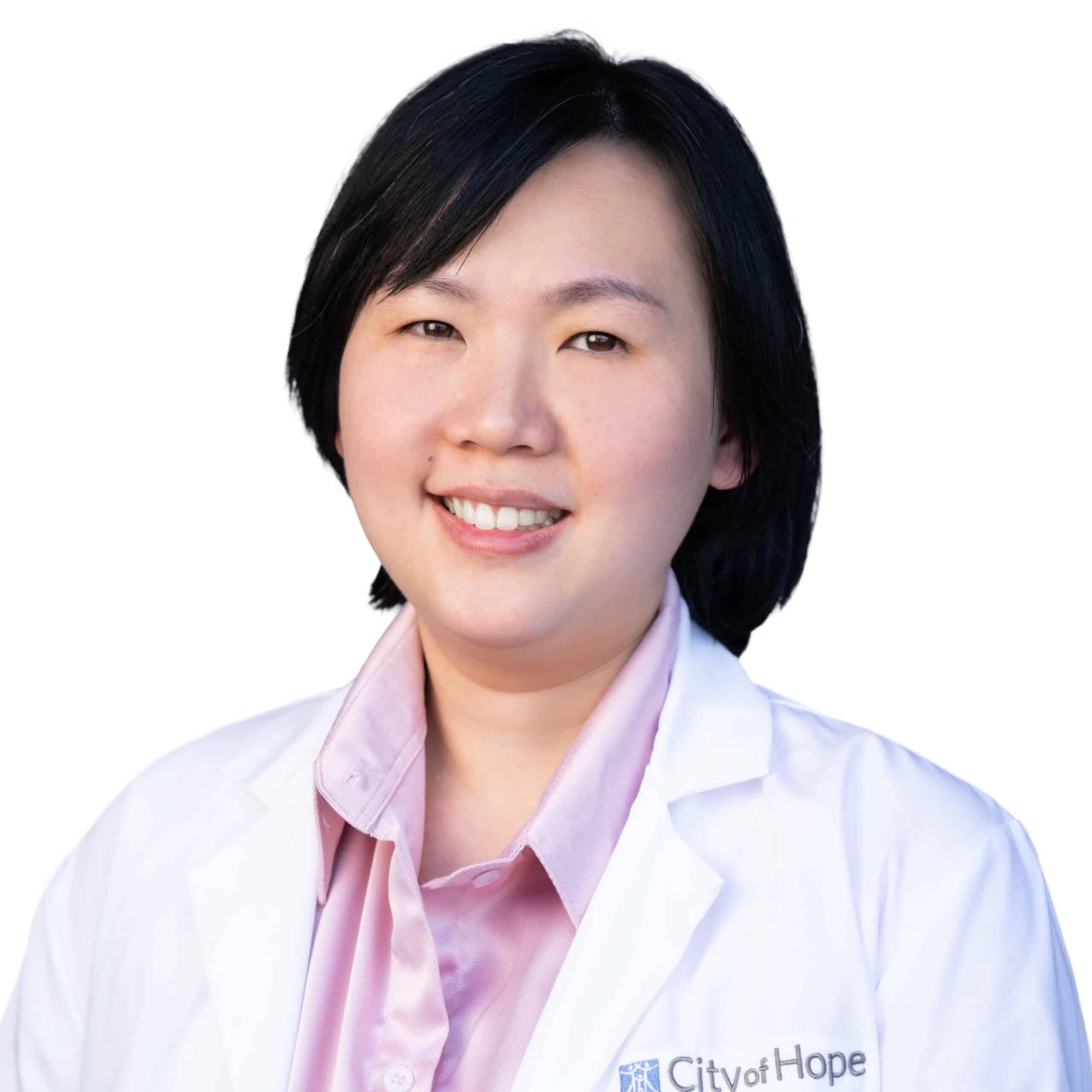
Nodal T follicular helper (TFH) cell lymphoma is an aggressive type of blood cancer that often responds poorly to frontline therapies such as chemotherapy and bone marrow transplant. Dr. Poh’s research aims to test new combination approaches that can improve the effectiveness of upfront treatments for nodal TFH cell lymphoma by blocking key cancer growth pathways that contribute to treatment resistance. Her goal is that such approaches will result in durable responses without the need for intensive bone marrow transplant, thereby improving outcomes and treatment experiences for patients with this aggressive type of lymphoma. Additionally, her research seeks to determine whether circulating tumor DNA — tiny fragments of DNA from cancer cells that can be found circulating in the blood — can be used to monitor treatment responses and identify patients who are most likely to benefit from these approaches.
“My commitment to lymphoma research is personal,” says Dr. Poh. “Several family members and friends have faced cancer, and seeing disparities in care inspired me to make a difference.” After completing her medical training at Loma Linda University School of Medicine in California, Dr. Poh went on to do a fellowship in hematology/oncology at University of California Davis. As an assistant professor at the University of Washington and Fred Hutchinson Cancer Center, she received the Lymphoma Scientific Research Mentoring Program clinical fellowship grant, which helped her establish her work in T-cell lymphomas. “I am drawn to T-cell lymphomas because they are rare, aggressive, and historically underserved,” she explains. “This project improving frontline treatment in nodal TFH cell lymphoma offers the opportunity to directly refine therapy and improve outcomes for patients at diagnosis.”
With the continued support of the Foundation, Dr. Poh hopes that her work will make a meaningful difference in the lives of patients with T-cell lymphomas. “As an independent clinical researcher, I aim to bridge clinical care and translational research, mentor future investigators, and contribute to a collaborative global effort to advance treatment and understanding of T-cell lymphomas,” she says.