

Researcher Spotlight
Researcher Spotlight: Herman Van Besien, MD
NYU School of Medicine
Oliver W. Press, MD, PhD Memorial Fellow
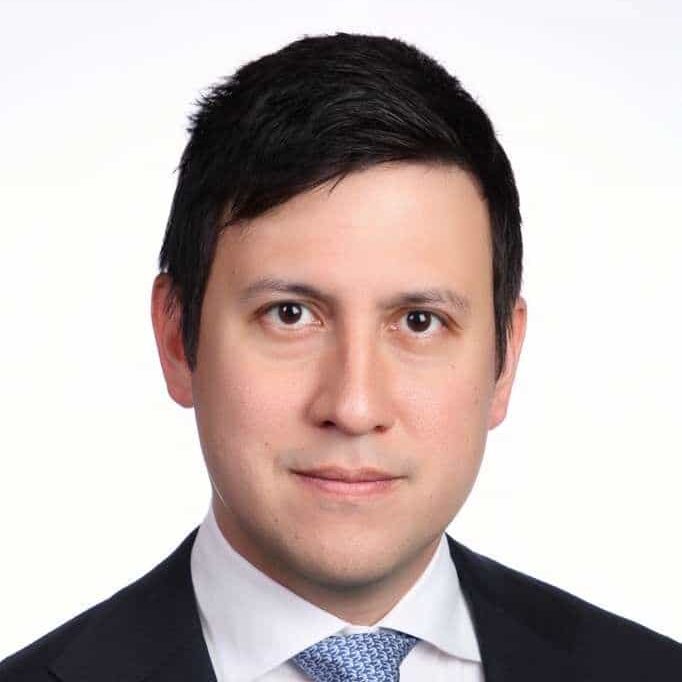
Lymphomas associated with Epstein-Barr virus (EBV) are an aggressive subset of cancer that often lack effective treatment options. “Many EBV-related lymphomas do not express enough viral markers for immune-based therapies, which are currently one of the most effective treatment options,” explains Dr. Van Besien. To help overcome this challenge, his research project aims to “reactivate” these viral markers to help understand the interactions between lymphoma cells and immunotherapies, to enhance their ability to target lymphoma cells. “If successful, this could expand the pool of patients eligible for immune-targeted therapies, potentially improving survival rates and reducing the need for highly toxic treatments like chemotherapy,” he says.
Dr. Van Besien is a second-generation hematologist-oncologist and was inspired to pursue a medical career after witnessing his parents’ never-ending compassion for their patients. He was drawn to a career in lymphoma research early on in his academic career, pulled in by the appeal of working at the interface of immunology and innovation. “I came through medical school and residency at a time when immunotherapy had solidified itself as a true fourth pillar in cancer therapy, and I developed a clinical interest in adoptive T-cell therapy,” he explains. “My project on EBV-directed T-cell therapy marries my twin passions for cellular therapy and lymphoma.”
Dr. Van Besien’s research builds on his work as a Lymphoma Scientific Research Mentoring Program fellow, which has helped shape his commitment to lymphoma research. “I feel very fortunate to have the continued support of the Foundation, and this support inspires me to continue along the challenging path of a physician-scientist,” he says. As he looks ahead to the future, he hopes to translate his laboratory work to clinical practice by developing clinical trials studying his viral-directed cellular therapies in combination with other treatments. “I continue to be inspired by the clever and creative ways that we are using the immune system to fight lymphoma,” he says. “I am confident that we will continue to refine these therapies in ways that will eventually lead to a cure.”