

Researcher Spotlight
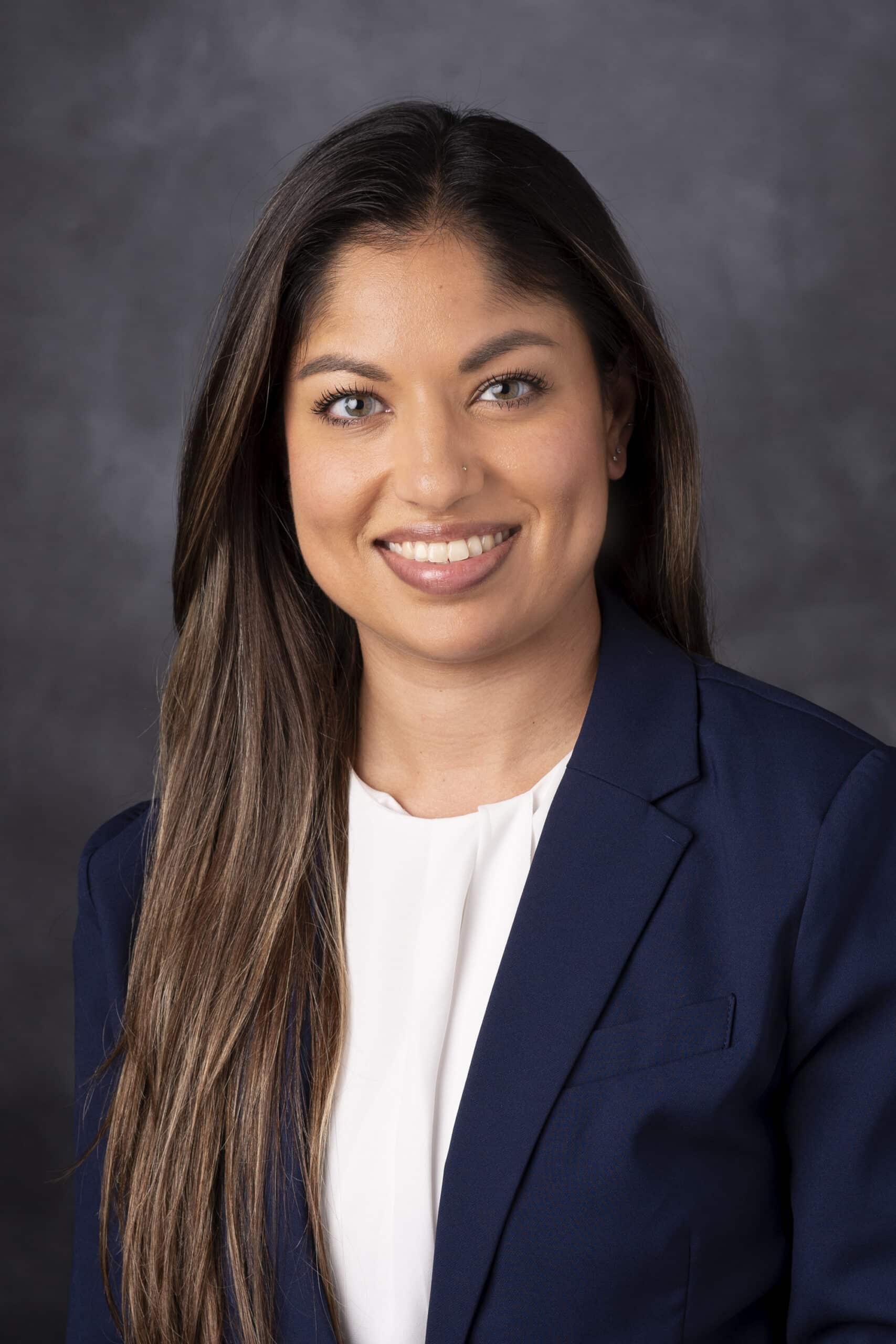
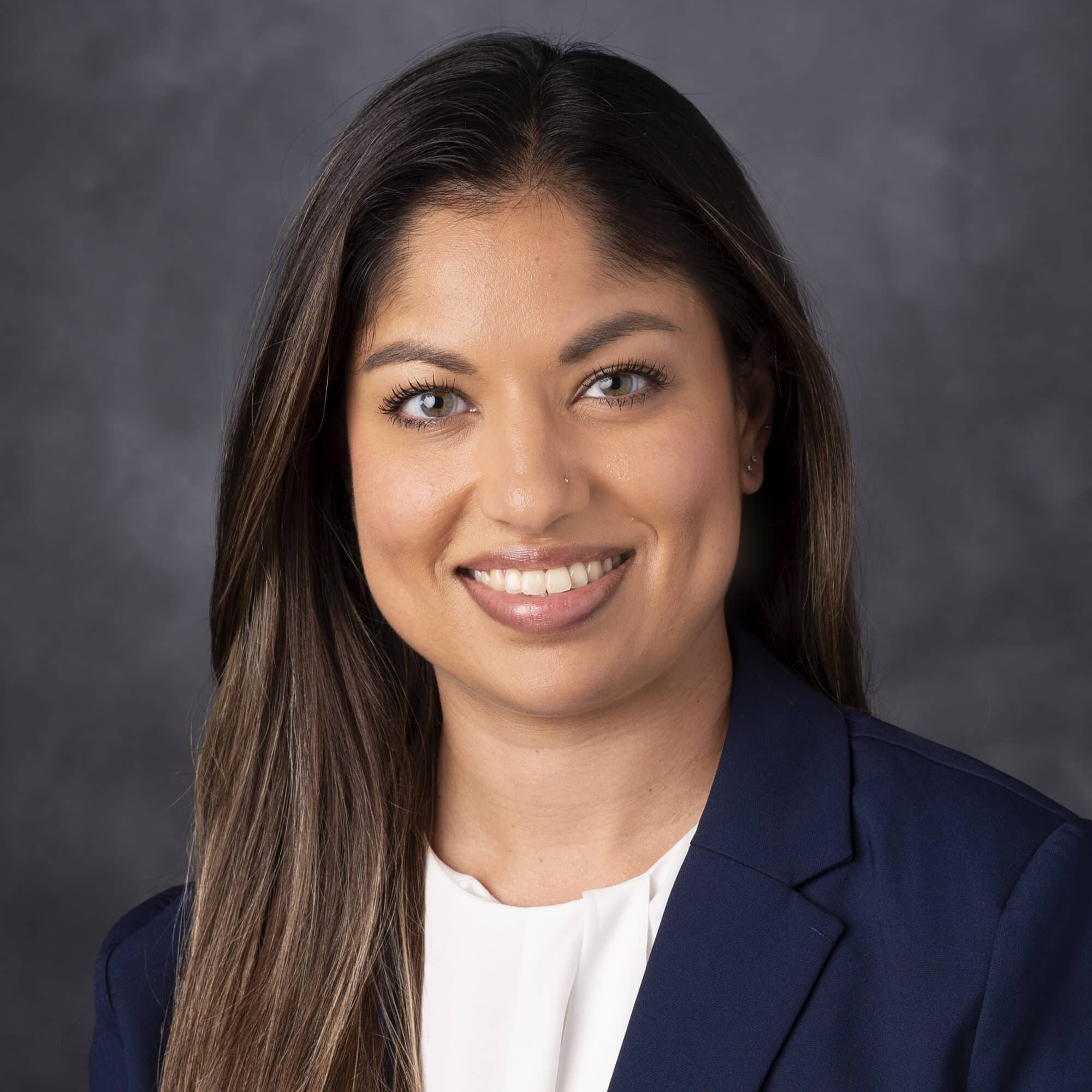
Researcher Spotlight: Neha Akkad, MD
The University of Texas MD Anderson Cancer Center
Patient-reported outcomes (PROs) are tools used to directly measure the experiences of patients rather than as interpreted by clinicians or researchers. Incorporation of PROs into clinical trials for T-cell lymphomas (TCLs) is especially important given the high disease burden, prolonged treatment durations, and poor, often short-lived responses to treatments. “Given the limited efficacy of current therapies in these diseases, incorporating PROs as clinical trial endpoints is essential to accelerate drug approval and ensure the therapies that we are studying meaningfully improve patients’ lives and, importantly, quality of life,” explains Dr. Akkad. Her research, therefore, aims to characterize quality-of-life PROs in TCL and their relationships with clinical outcomes as well as validate PRO tools for use in a clinical setting. “This project is a crucial step in creating a metric that is robust enough to be used in the clinical setting and as a measure of quality of life in clinical trials for these patients.”
Dr. Akkad’s interest in understanding quality of life and PROs in T-cell lymphomas began during her residency at the Barnes-Jewish Hospital at Washington University in St. Louis, where she saw firsthand how the impact of treatment on patients’ lives impacted their decision making. “Patients noted how much impact on quality of life shaped the decisions they made, and we noted that it was a significant contributor to clinical decisions as well,” she explains. “However, there was no good objective way to measure it. Thus, we began our foundational projects aimed at developing meaningful quality-of-life measures for this patient population.”
Through this research, Dr. Akkad hopes to identify better tools for quantifying the impact of lymphoma treatment on patients’ quality of life, with the goal of incorporating them into future clinical trials of T-cell lymphoma therapies. “I additionally hope that my research can contribute to widespread use of uniform PRO tools specific for T-cell lymphoma and that the same tool can be used in the clinic to help make decisions for patients,” she says.