Non-Hodgkin Lymphoma (Lymphoid Neoplasms)
Understanding Lymphoma and Chronic Lymphocytic Leukemia (CLL)
Introduction
Non-Hodgkin lymphoma (NHL) is among the seven most common cancers affecting adults in the United States (US). The number of new cases of NHL in the US nearly doubled between 1975 and 2013 but have since remained stable. An estimate of 80,550 new cases of NHL will be diagnosed in the US in 2023.
NHL is not a single cancer, but rather a group of closely related cancers. NHL is a type of blood cancer that affects the white blood cells called lymphocytes. Lymphocytes work together with other cells in the immune system to help the body fight infections and other diseases. The World Health Organization (WHO) estimates that there are approximately 85 subtypes of NHL. Among these, three lymphoma subtypes make up the majority of NHLs in the US:
- Diffuse large B-cell lymphoma (DLBCL).
- Follicular lymphoma (FL).
- Chronic lymphocytic leukemia/small lymphocytic lymphoma (CLL/SLL).
The various types of NHL share many common factors, but they differ in certain characteristics like:
- What they look like under the microscope.
- How they grow and spread in the body.
- How they respond to treatment.
NHLs are categorized as B-cell NHL or T-cell NHL, according to the type of white blood cell affected, and as indolent (slow-growing) or aggressive (fast-growing), according to how fast they grow in the body.
Common signs and symptoms of NHL may include:
- Swelling of the lymph nodes (usually painless).
- Fever.
- Night sweats.
- Unexplained weight loss.
- Lack of energy.
While most people with these symptoms will not have NHL, anyone with persistent symptoms (lasting more than several weeks) should consult with a physician. The disease is sometimes diagnosed after a routine medical checkup or exams done for other reasons, like a computed tomography (CT) scan or a screening mammogram.
For more in-depth information on NHL, please see the Lymphoma Research Foundation’s guide Understanding Lymphoma and CLL (lymphoma.org/publications) or call the Lymphoma Resource Center at 800-500-9976 to order a copy.
Diagnosis and Staging
To make a definite diagnosis of NHL, doctors need to collect a sample of the affected lymph node. This procedure is called a biopsy. Biopsies where an entire lymph node or tumor is removed (called excisional biopsies) are preferred to ensure there is enough sample to determine the type of lymphoma. The biopsy is typically studied by a pathologist (doctor who specializes in the diagnosis of diseases by studying the cells from a patient’s body fluids and tissue samples) and preferably a hematopathologist (pathologist who has undergone additional training in the diagnosis of blood cancers, including lymphoma) who is experienced in diagnosing lymphoma. There are multiple subtypes of NHL, some very uncommon, and additional tests may be needed to make an accurate diagnosis. Determining the exact NHL subtype helps to identify the appropriate treatment options for the patient.
Figure 3: Staging of NHL according to the Lugano system. NHL, non-Hodgkin lymphoma
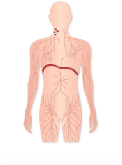
Stage I:
Involvement of a single lymph node or group of adjacent nodes
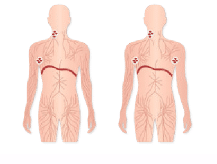
Stage II:
Involvement of two or more groups of lymph nodes on the same side of the diaphragm (muscle that separates the chest from the abdomen)
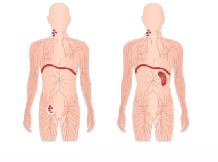
Stage III:
Involvement of lymph nodes on both sides of the diaphragm, or Involvement of lymph nodes above the diaphragm plus spleen involvement
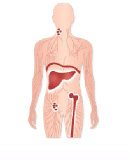
Stage IV:
Widespread disease in lymph nodes, bone marrow, and organ involvement, such as liver or lungs
After a diagnosis of NHL, it is important to determine if and how far the lymphoma has spread. This process is called staging, and it uses the results of the different tests (such as biopsies and scans) to determine the severity of the disease and the appropriate treatment. The Lugano staging system is used for most NHLs (except CLL/SLL) and is depicted in Figure 3 above. This system categorizes NHL from Stage I (least severe) to IV (most severe), based on whether the disease is restricted to a single group of lymph nodes, has spread to other lymph nodes, or has reached the bone marrow (the spongy tissue inside the bones) and/or other organs (like the liver or lungs).
To stage a lymphoma, the patient might need imaging tests such as abdominal and chest CT scans or a positron emission tomography (PET) scan. A CT scan allows the physician to see inside the chest and abdomen, locating the tumor. A PET scan is a form of imaging that uses a special dye to locate the lymphoma cells in the body. Other staging tests may include a bone marrow biopsy, spinal tap (lumbar puncture, a procedure where a small needle is inserted into the back and spinal fluid is withdrawn), endoscopy/colonoscopy (medical procedures where an instrument is introduced into the body to give a view of the stomach or colon, respectively), and magnetic resonance imaging (MRI, a type of scan that uses a strong magnet and radio waves to produce detailed images of the inside of the body). Physicians may also request blood tests and an echocardiogram (a type of scan that uses sound waves to produce images of the heart and nearby blood vessels) to help evaluate overall health and risks with chemotherapy
Risk Factors
The characteristics that may make a person more at risk of developing any type of disease are called risk factors. Having one or more risk factors for NHL does not mean a person will develop NHL. People with a family history of NHL appear to be at slightly higher risk of developing the disease, often the same subtype. Nonetheless, the likelihood of two first-degree relatives having NHL remains very small. In fact, most people with the known risk factors never develop NHL. The causes of NHL in most cases remain unknown. Known risk factors for NHL include:
- A weakened immune system caused by an inherited immune disorder (for example, hypogammaglobulinemia, ataxia-telangiectasia or Wiskott-Aldrich syndrome) or infection with human immunodeficiency virus (HIV).
- An autoimmune disease (for example, Crohn’s disease, rheumatoid arthritis, systemic lupus erythematosus, or psoriasis).
- Treatment for autoimmune diseases (the body’s immune system attacks its own healthy cells), especially with methotrexate and drugs that target a protein called tumor necrosis factor.
- Treatment with certain drugs used after organ transplantation.
- Infections with certain viruses (for example, Epstein-Barr virus [EBV], human T-cell lymphotropic virus type 1 [HTLV-1], human herpes virus 8 [HHV-8], or hepatitis C virus [HCV]).
- Infection with the bacteria Helicobacter pylori, Campylobacter jejuni, or Chlamydia psittaci.
- Older age—NHL is much more common in adults older than 60 years, although it may develop in children and adults of all ages.
- Males have slightly higher incidence rates (number of new cases) of NHL than women.
- Exposure to certain chemicals (benzene), herbicides (Agent Orange) and pesticides, and some chemotherapy drugs used to treat other cancers.
- Treatment with radiation therapy for other cancers, including NHL.
Types and Subtypes of NHL
The classification of NHL is complicated and has evolved over the years. NHL subtypes are grouped according to which kind of white blood cell is affected (B cells or T cells) and how quickly the cancer grows (aggressive or indolent). There are more subtypes of NHL than those listed here. Please consult with a physician if you are not sure of your subtype. Knowing as much as possible about your NHL subtype, treatment options and their potential side effects can empower you to take charge of your health and better communicate with your physician. The following table includes blood diseases in the current World Health Organization (WHO) classification. This table includes chronic lymphocytic leukemia (CLL) and small lymphocytic lymphoma (SLL), which are different forms of the same disease.
Table 1: Types of NHL by cell type and growth pattern.
| Aggressive | Indolent | |
|---|---|---|
| B-cell NHL | Burkitt lymphoma Diffuse large B-cell lymphoma Primary mediastinal B-cell lymphoma High-grade B-cell lymphoma Mantle cell lymphoma | Chronic lymphocytic leukemia/small lymphocytic lymphoma Follicular lymphoma Marginal zone lymphoma Waldenström macroglobulinemia |
| T-cell NHL | Peripheral T-cell lymphoma Anaplastic large cell lymphoma Angioimmunoblastic T-cell lymphoma Adult T-cell leukemia/lymphoma Sézary syndrome | Mycosis fungoides |
The charts below shows how common or uncommon B- and T-cell NHLs are.
Figure 1: Relative frequencies of B-cell NHL in the United States. Percentages are based on the National Cancer Institute’s Surveillance, Epidemiology, and End Results (SEER) data, 2008-2017. SEER Program provides information on cancer statistics. Some very rare types are not shown in the graph. NHL, non-Hodgkin lymphoma.
Figure 2: Relative frequencies of T-cell NHL in the United States. Percentages are based on the National Cancer Institute’s Surveillance, Epidemiology, and End Results (SEER) data, 2008-2017. Some very rare types are not shown in the graph. NHL, non-Hodgkin lymphoma.
Treatment Options
For patients with the indolent types of NHL who do not show any signs or symptoms, an active surveillance approach may be taken. Active surveillance is also known as watchful waiting (observation with no treatment given) and the disease is watched with regular checkups. For patients with aggressive NHL, or those whose lymphoma begins to progress (grow and/or spread) after a period of active surveillance, several highly effective treatment options exist. The most common therapy categories include:
- Chemotherapy (drugs that stop the growth of or kill cancer cells). Common chemotherapy drugs are bendamustine [Treanda], or CHOP (cyclophosphamide, doxorubicin, vincristine, and prednisone).
- Immunotherapy (drugs that use the body’s immune system to fight cancer).
- Monoclonal antibodies (proteins made in the laboratory that binds to cancer cells and helps the immune system destroy them). The most common monoclonal antibody used to treat NHL is rituximab (Rituxan).
- Bispecific antibodies (antibodies that recognizes two different antigens, which can be on the same cell or two different cells). Bispecific antibodies used to treat lymphoma are called T-cell engagers and work by linking cancer cells to healthy immune cells
- Antibody-drug conjugates (ADC, a monoclonal antibody attached to a chemotherapy drug). The monoclonal antibody in the ADC recognizes and binds to a protein on the cancer cell surface. Once the ADC is inside the cell, the chemotherapy drug separates from the ADC and kills the cancer cell by targeting cell multiplication.
- Immunomodulatory drugs (drugs that regulated the immune system by activating or slowing down the activity of specific proteins).
- Chimeric antigen receptor (CAR) T-cell therapy (a special type of immunotherapy that uses the patient’s immune cells to fight cancer)
- Targeted therapies (drugs that target molecules that cancer cells use to grow and spread). This includes inhibitors of proteins involved in cell signaling and growth like kinases and other proteins.
- Radiation therapy (uses high-energy radiation to kill cancer cells).
- Stem cell transplantation (the patient is treated with high-dose chemotherapy or radiation to remove their blood-forming cells or stem cells, and then receives healthy stem cells to restore the immune system and the bone marrow’s ability to make new blood cells).
A combination of these drugs is often used to treat NHLs, such as chemoimmunotherapy. In this case, chemotherapy is paired with immunotherapy (such as the combination bendamustine [Treanda] and rituximab [Rituxan]). Patients seeking information about targeted therapy and immunotherapy should view the Immunotherapy and Other Targeted Therapies fact sheet on The Foundation’s website (lymphoma.org/publications).
The physician considers many factors when deciding the most appropriate form of treatment, including type and subtype of NHL, disease stage, symptoms (if any), prior therapies, patients’ age and overall health (for example, other conditions the patient may have), and the patient’s goals for treatment.
Sometimes after an initial treatment, the lymphoma may relapse (returns after treatment) or become refractory (does not respond to treatment). However, there are many treatment options that may be available to someone who has relapsed or is refractory to their last treatment. It is important to talk to your doctor about the available treatment options.
Treatments Under Investigation
Various treatments for different subtypes of NHL, and at different stages, are currently being investigated in clinical trials (Table 2).
It is critical to remember that scientific research is always evolving, and treatment options may change as new treatments are discovered and current treatments are improved. Therefore, it is important that patients check with their physician or with The Foundation for any treatment updates that may have recently emerged. For a complete list of clinical trials in NHL, visit https://clinicaltrials.gov/
Clinical Trials
Clinical trials are crucial in identifying effective drugs and the optimal treatment doses for patients with lymphoma. Patients interested in participating in a clinical trial should view the Understanding Clinical Trials fact sheet on The Foundation’s website (lymphoma.org/publications), talk to their physician, or contact the Foundation’s Helpline for an individualized clinical trial search by calling 800-500-9976 or emailing [email protected].
Follow-up
Patients with lymphoma should have regular visits with a physician who is familiar with their medical history and the treatments they have received. During these visits, medical tests (like computed tomography [CT] or positron emission tomography [PET] scans) may be required to evaluate the need for additional treatment.
Some treatments can cause long-term side effects (occur duringtreatment and continue for months or years) or late side effects (appear only months, years or decades after treatment has ended). These can vary depending on the following factors:
- Duration of treatment (how long the treatment has lasted)
- Frequency of treatment (how often the treatment was administered)
- Type of treatment given
- Patient’s age and gender
- Patient’s overall health of at the time of treatment.
A physician will check for these effects during follow-up care. Visits may become less frequent the longer the patient stays in remission (lack of signs and symptoms of disease).
Patients and their care partners are encouraged to keep copies of all medical records. This includes test results as well as information on the types, amounts, and duration of all treatments received. Medical records are important for keeping track of any side effects resulting from treatment or potential disease recurrences. The Foundation’s award-winning Focus On Lymphoma mobile app and Lymphoma Care Plan (lymphoma.org/publications) can help patients manage this documentation.
Table 2: Selected agents under investigation for NHL in Phase 2-3 clinical trials
| Agent (Drug) | Class (Type of Treatment) | Under investigation for |
|---|---|---|
| Abexinostat (PCI-24781) | Targeted therapy; HDAC inhibitor | NHL (subtype not specified), Relapsed or refractory FL, DLBCL |
| ALLO-501A | CAR T cell; anti-CD19 | Relapsed or refractory Large B cell lymphoma |
| AUTO3 | Dual target CAR T cell; anti-CD19 and CD22 | Relapsed or refractory DLBCL |
| DTRM-555 | Targeted therapy; BTK inhibitor | Relapsed or refractory CLL/SLL, DLBCL and FL |
| Pirtobrutinib (Jaypirca) | Targeted therapy; BTK inhibitor | Relapsed or refractory MCL |
| Isatuximab | Immunotherapy; anti-CD38 | Relapsed DLBCL, MCL, PTCL |
| Mosunetuzumab | Immunotherapy; anti-CD20 | Relapsed or refractory DLBCL, FL |
| Nanatinostat (VRx-3996) | Targeted therapy; HDAC inhibitor | Epstein-Barr Virus associated Lymphoma |
| Parsaclisib (INCB050465) | Targeted therapy; PI3Kδ inhibitor | MCL PTCL,relapsed or refractory DLBCL and CLL/SLL |
| PBCAR0191 | CAR T cell; anti-CD19 | Relapsed or refractory NHL (subtype not specified) |
| Odronextamab | Immunotherapy; bispecific antibody | Relapsed or refractory B-cell NHL, FL |
| Orelabrutinib (ICP-022) | Targeted therapy; BTK inhibitor | Relapsed or refractory B-cell NHL and MZL, MCL |
| Relmacabtagene autoleucel (Relma-cel, JWCAR029) | Autologous CAR T cell; anti-CD19 | Relapsed or refractory DLBCL and FL |
| TAK-007 | CAR NK cells; anti-CD19 | Relapsed or refractory B-cell NHL |
| Tislelizumab | Immune checkpoint inhibitor; anti-PD-1 | Relapsed or refractory B- and T-cell lymphoma |
| Tolinapant (ASTX660) | Targeted therapy; IAP antagonist | Relapsed or refractory PTCL |
Lymphoma Care Plan
Keeping your information in one location can help you feel more organized and in control. This also makes it easier to find information pertaining to your care and saves valuable time. The Foundation’s Lymphoma Care Plan document organizes information on your health care team, treatment regimen, and follow-up care. You can also keep track of health screenings and any symptoms you experience to discuss with your health care provider during future appointments. The Lymphoma Care Plan document can be accessed by visiting lymphoma.org/publications.
Patient Education Programs
The Foundation also offers a variety of educational activities, including live meetings and webinars for individuals looking to learn directly from lymphoma experts. These programs provide the lymphoma community important information about the diagnosis and treatment of lymphoma, as well as information about clinical trials, research advances and how to manage/cope with the disease. These programs are designed to meet the needs of a lymphoma patient from the point of diagnosis through long-term survivorship. To view our schedule of upcoming programs, please visit lymphoma.org/programs.
Lymphoma Resource Center
The Foundation’s Lymphoma Resource Center staff are available to answer your general questions about lymphoma and treatment information, as well as provide individual support and referrals to you and your loved ones. Callers may request the services of a language interpreter. The Foundation also offers a one-to-one peer support programs called the Lymphoma Support Network and clinical trials information through our Clinical Trials Information Service. For more information about any of these resources, visit our website at lymphoma.org, or contact The Foundation’s Lymphoma Resource Center at (800) 500-9976 or [email protected].
Para información en Español, por favor visite lymphoma.org/es. (For Information in Spanish please visit lymphoma.org/es).
Understanding Lymphoma and Chroni Lympho yti Leukemia CLL is published by the Lymphoma Research Foundation for the purpose of informing and educating readers. Facts and statistics were obtained using published information, including data from the Surveillance, Epidemiology, and End Results (SEER) Program. Because each person’s body and response to treatment is different, no individual should self-diagnose or embark upon any course of medical treatment without first consulting with his or her physician. The medical reviewer, the medical reviewer’s institution, and the Foundation are not responsible for the medical care or treatment of any individual.
© 2024 Lymphoma Research Foundation Last updated May 2024
The Lymphoma Research Foundation appreciates the expertise and review of our Editorial Committee:
Co-Chair: Leo I. Gordon, MD, FACP
Robert H. Lurie Comprehensive Cancer Center of Northwestern University
Co-Chair: Kristie A. Blum, MD
Emory University School of Medicine
Jennifer E. Amengual, MD
Columbia University
Carla Casulo, MD
University of Rochester Medical Center
Alex Herrera, MD
City of Hope
Shana Jacobs, MD
Children’s National Hospital
Patrick Conner Johnson, MD
Massachusetts General Hospital
Manali Kamdar, MD
University of Colorado
Ryan C. Lynch, MD
University of Washington
Peter Martin, MD
Weill Cornell Medicine
Neha Mehta-Shah, MD, MSCI
Washington University School of Medicine St. Louis
M. Lia Palomba, MD
Memorial Sloan Kettering Cancer Center
Pierluigi Porcu, MD
Thomas Jefferson University
Sarah Rutherford, MD
Weill Cornell Medicine
Supported through grants from: