

Researcher Spotlight
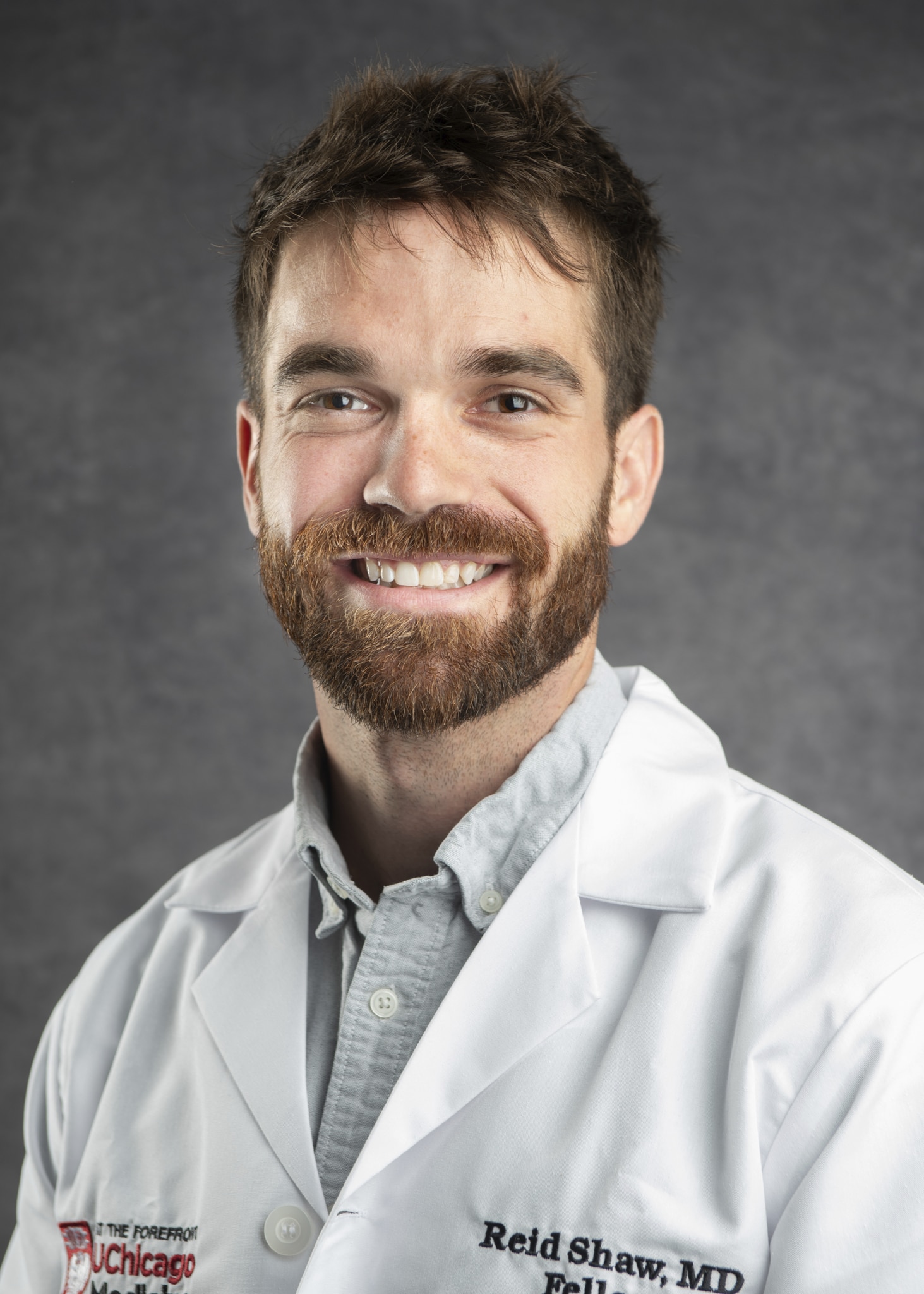
Researcher Spotlight: Reid Shaw, MD
The University of Chicago
Errol M. Cook Memorial Scholar
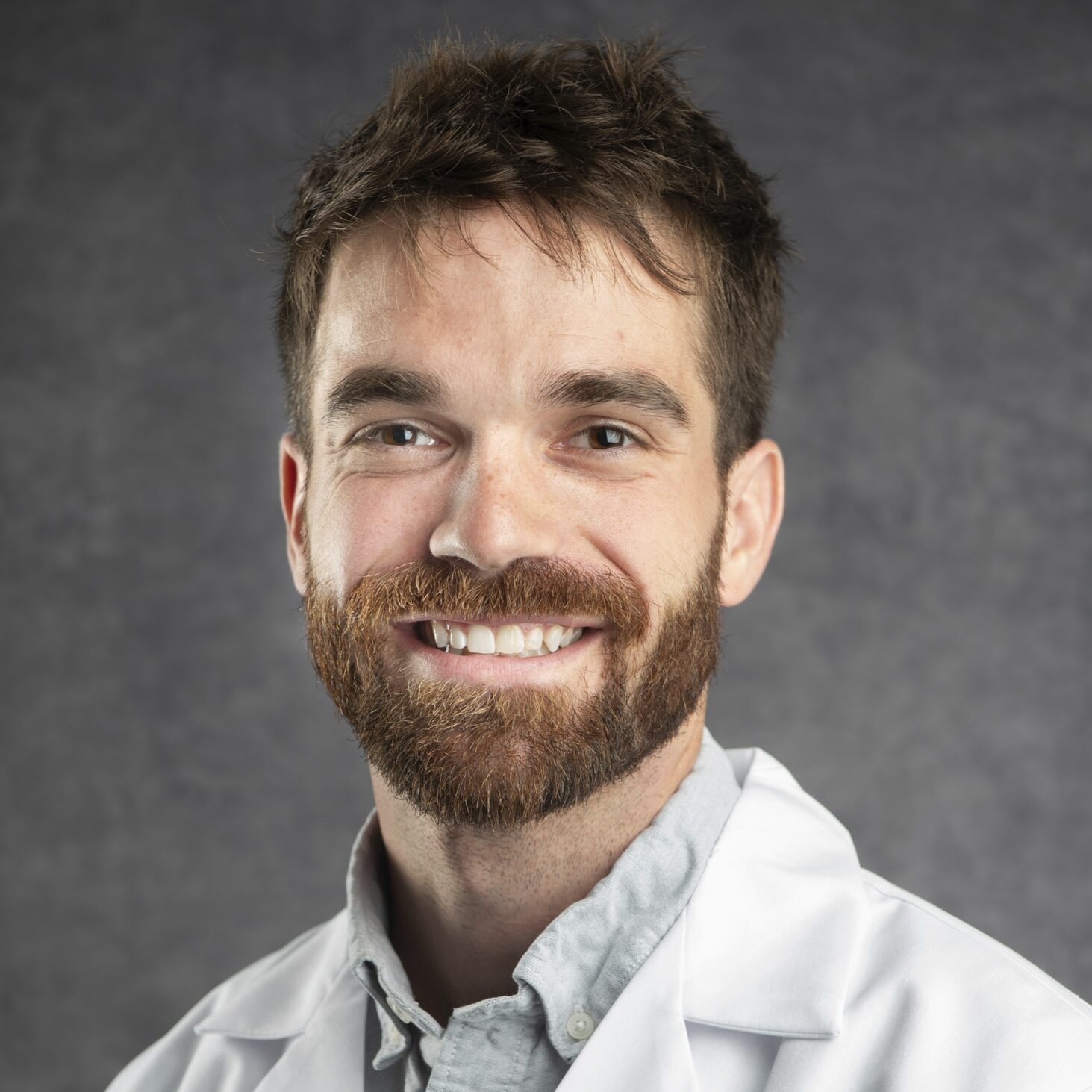
For some patients with relapsed or refractory large B-cell lymphoma (LBCL), chimeric antigen receptor (CAR) T-cell therapy can produce dramatic and even curative responses; however, less than half of patients have lasting benefit, and it is not yet clear why some patients experience lasting responses while others don’t. Recent research has revealed that the gut microbiome may play a role in influencing responses to CAR T-cell therapy—patients exposed to certain antibiotics before treatment tend to fare worse, whereas patients harboring beneficial bacteria tend to do better. “My project is built on the idea that we can harness this microbial influence to make CAR-T therapy more effective and safer for more patients,” says Dr. Shaw.
In addition to preclinical and mechanistic studies to better understand how the microbiome shapes responses to CAR T-cell therapy, Dr. Shaw is also planning a clinical trial to test if and how a live biotherapeutic product—a live preparation of beneficial bacteria—can help enhance treatment outcomes when given alongside CAR T-cell therapy. The latter part of his project developed as a direct result of his participation in the Lymphoma Scientific Research Mentorship Program, in which Foundation mentors and faculty encouraged him to transition from a purely observational study to a more ambitious interventional trial. “That kind of pivot is hard to make on your own, and it was the LSRMP environment, the candor of the feedback, the experience of the mentors, and the structured mock study section format that gave me both the confidence and the specific direction to pull it off,” he says.
Dr. Shaw was drawn to a career in lymphoma research during his time as a medical resident at Loyola University Medical Center, where he saw the extraordinary impact CAR T-cell therapy could have on patients. “I watched patients who had exhausted every option walk out of the hospital in remission,” he says. “I have also sat with patients whose disease returned, and with families when CAR-T did not deliver what we had all hoped for.” Dr. Shaw hopes that his research will help to better understand why some patients respond to these therapies while others don’t and offer a new option to help improve outcomes for all. “The opportunity to bring microbial therapeutics into the lymphoma clinic—to give the next patient a better answer—is what motivates me at the bench and at the bedside.”