

Researcher Spotlight
Researcher Spotlight: Sandeep Raj, MD
Memorial Sloan Kettering Cancer Center
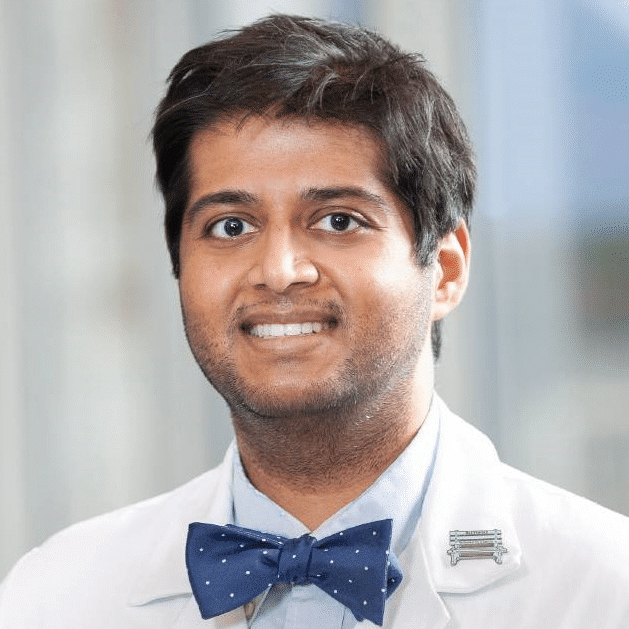
Chimeric antigen receptor (CAR) T-cell therapy has transformed the treatment of large B-cell lymphoma (LBCL), but many patients still experience cancer recurrence after their use. “Roughly half of patients will see their cancer return, and we do not fully understand why,” explains Dr. Raj. “My research aims to uncover the reasons CAR T-cell therapy stops working in patients with LBCL and find ways to overcome them.” To this end, Dr. Raj’s research is aimed at understanding the role the immune system plays in response to CAR T-cell therapy, including how it may reduce the effectiveness of these treatments or shield cancer cells from detection. “My work may identify patients with LBCL at highest risk of CAR T-cell treatment failure who may benefit from targeted interventions to reshape the immune environment in a patient’s favor and improve CAR T-cell function using prophylactic anti-inflammatory drugs or antiviral medications.”
Dr. Raj’s interest in lymphoma research developed early on in his life when a close family member was diagnosed with lymphoma. “There was an overwhelming sadness and anxiety during the initial period after hearing the diagnosis,” he says. “At the first consultation, though, their oncologist assuaged our fears with calm confidence filled with compassion and warmth and guided my family member toward a full remission.” The experience stuck with Dr. Raj, and throughout his medical training, it has reaffirmed his commitment to lymphoma research. “I’ve always been led back to studying lymphoma, contributing toward finding a cure, and hoping that I can provide the same compassionate and thoughtful care my family once received,” he says.
As a physician scientist, Dr. Raj is committed to both quality patient care and clinical innovation. “It is an absolute privilege to be able to work at the intersection of quantitative biology, cancer immunology, and cellular therapy, focusing on turning lab discoveries into advances in patient care for those with lymphoma,” he says. With the support of the Foundation, he is working to establish a multidisciplinary research program that takes research from “the computer to the lab bench to the bedside and back” to help optimize cellular therapies for patients with blood cancer.