
Anthony, Burkitt Lymphoma
Anthony, Burkitt Lymphoma
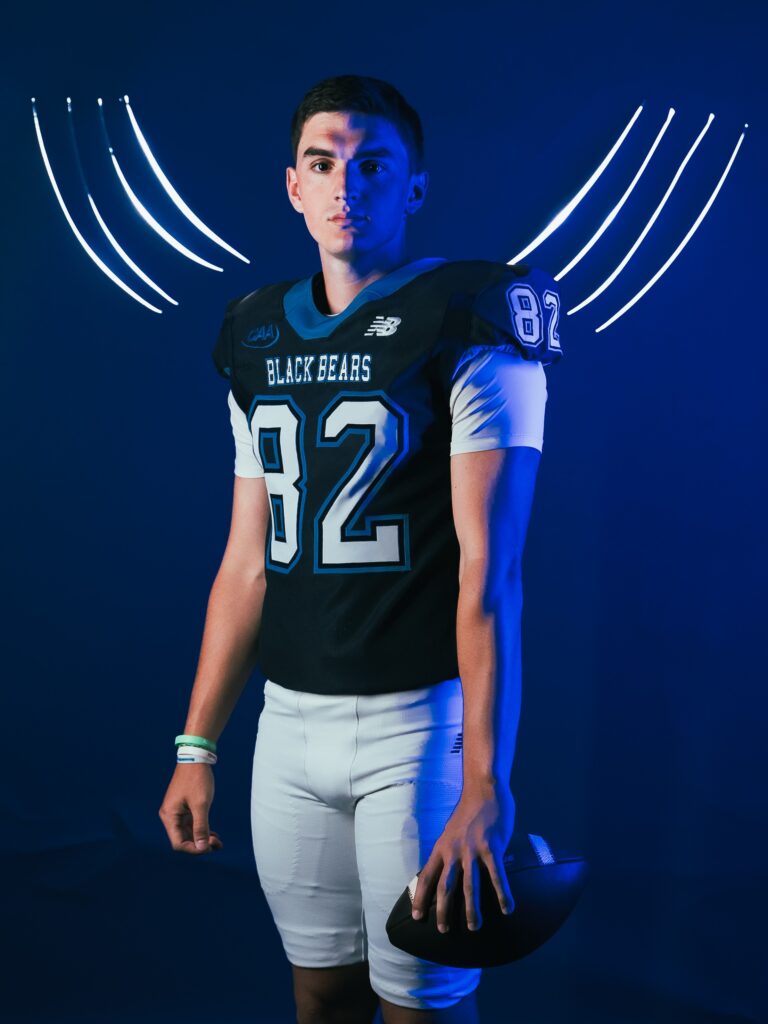
Hello all, my name is Anthony Pecorella, and I am a Burkitt lymphoma survivor.
To get to the root of my Story of Hope, let me take you back to Sunday, May 14, 2023—Mother’s Day. I had just woken up after a night of celebrating my twin sister, Alessia, who had graduated from The Catholic University of America the day prior. Still groggy, I headed to the bathroom. As I yawned and caught a glimpse into the mirror, I saw it for the first time. Startled, I opened my mouth again—and there, in the back of my throat, was a golf ball-sized tonsil. I remember going, “What the BLANK is that?”
When my mom woke up, I showed her the tonsil. She had a similar reaction and asked if it was bothering me, which it wasn’t, so we decided to put it on the back burner for the week. I had to pack up my apartment in College Park and graduate from the University of Maryland the following Saturday. My mom knew my annual physical was coming up and figured the doctor could check it out then.
After graduation, I immediately packed up my car and headed back home to Long Island, New York. We returned so quickly because I had to prepare to move to my next school, Stony Brook University, the following week. I had chosen to transfer there to play out my remaining years of football eligibility and pursue my MBA.
During the week that I was home, I went for my annual physical. My primary care doctor wasn’t available, so I saw another doctor at the practice. I just wanted a clean bill of health. The doctor looked at the back of my throat and asked if the tonsil bothered me. I said no, and he told me not to worry about it—so I didn’t. I went home and told my mom the doctor gave me the all-clear, but she wasn’t satisfied. She reached out to find out when my primary doctor would be back so we could schedule a follow-up.
Not long after, my mom and I returned to the doctor’s office. This time, my primary care doctor was stunned when she saw my tonsil. She immediately ran tests for just about everything and referred me to an ENT specialist.
While awaiting the test results, we visited the ENT she recommended. He took a quick look and said, “I don’t know what that is; come back in a month.”
I started chemotherapy within that very month.
After that ENT visit, we returned to my primary care doctor. She informed us that I had had mono six weeks earlier—but I had never been sick or shown any symptoms. That in itself was scary.
She referred us to another ENT for a second opinion. This ENT, Dr. Kakani, took one look at my tonsil and said, “Yeah, that needs to come out.” Before scheduling the surgery, he performed a needle biopsy on a lymph node in my neck and took a swab of the tonsil. Both came back clean, but he said we wouldn’t know for sure until we removed the tonsil and did a full biopsy.
On July 20, 2023, I underwent a tonsillectomy on my left tonsil.
Six days later, on July 26th, I received a call from Dr. Kakani’s office requesting that my mom and I come in—he had the biopsy results. He had already told us that he would deliver the news, good or bad, in person, so I wasn’t alarmed, but my parents were more anxious than I realized.
Before leaving, my dad asked if he should skip work and come with us. I told him not to worry and to go to work, so he did. Later that day, my mom and I headed over to Dr. Kakani’s office.
When the nurse called us back, she led us to Dr. Kakani’s personal office. Once seated, he got right to the point: he had good news and bad news. Hoping the good news would soften the blow, I asked for the bad news first.
He looked at us and said, “You have lymphoma.” You could feel our hearts sink.
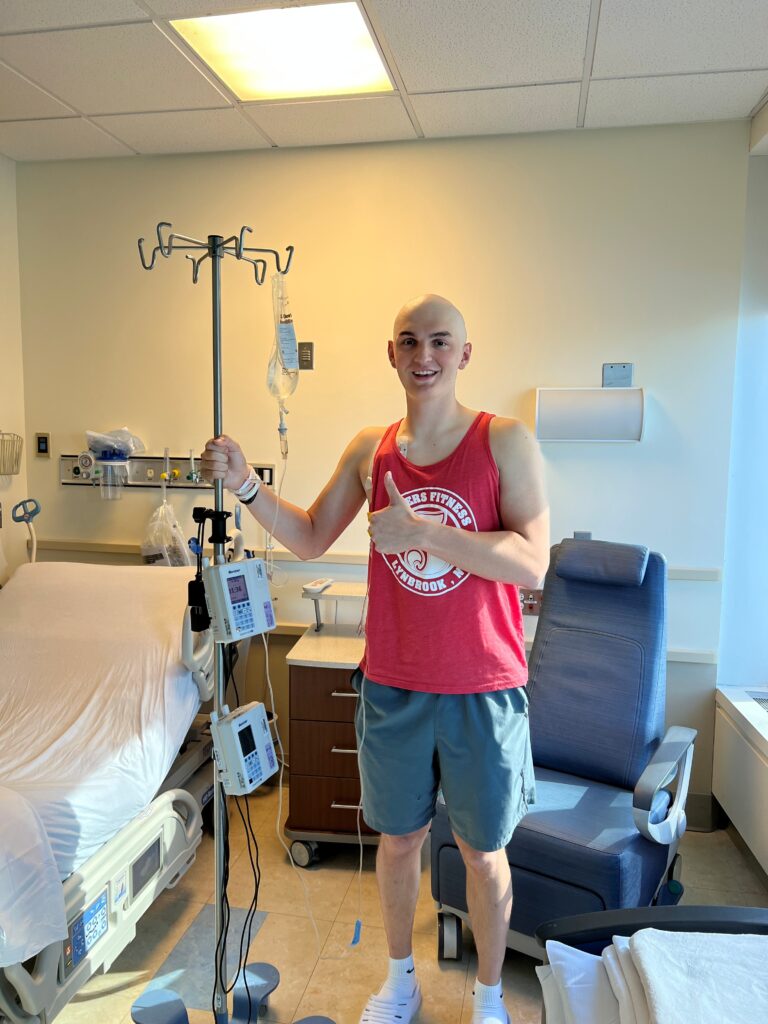
I asked for the good news. He said that if I had to pick a cancer off a shelf, this would be the one, because I was young and healthy with a high chance of beating it.
Very sarcastically, I yelled, “OH THANK GOD!” There was a long silence. I knew my next words would stick in the memory of everyone in that room. I looked at him and asked, “Can I go to practice on Tuesday?” He looked at me like I had 18 heads and said, “I won’t tell you no, but think long and hard about what you’re about to go through before you think about football.” Before we left, Dr. Kakani said something I’ll never forget: “This will just be a bump in the road.”
In the car, my mom and I called my dad. He had just walked out of St. Patrick’s Cathedral after saying a prayer that the results would be positive. With tears in our eyes, we told him the news. He took a second, gathered himself, and said, “We’re going to get through this.”
We drove home to tell my sister. The first half of the car ride was filled with tears; the second half, believe it or not, was filled with laughter. I made the decision then and there: I could either cry about this or laugh through it. I chose to laugh.
The laughter stopped when we pulled into the driveway. I knew it was time to tell my twin sister—my ride or die, my built-in best friend.
She was upstairs working when we got home. I called up and asked her to come downstairs. She said no, she was busy. I asked again. Still no. Then my mom yelled, “Get your butt down here.” She came down with an attitude, which made me feel worse, knowing how hard the news would hit her. Once I sat her down and told her, we all cried again.
Then we wiped our tears and got to work.
There’s no manual for life post-cancer. That’s why it’s so important for those of us lucky enough to beat it to share our stories—to give hope to those in the fight and something relatable to fellow survivors.
My dad was already on it. He contacted his high school friend Robert Min, the president & CEO of Weill Cornell Physician Organization. He asked who he’d trust with his own son in this situation. Not long after, Dr. Min replied with a name: Dr. Lisa Roth, who serves on the Lymphoma Research Foundation’s Scientific Advisory Board.
I was diagnosed on a Wednesday and had a video consultation with Dr. Roth and NP Mindy Jaffe by Friday.
It was on that call that I first heard the words Burkitt lymphoma—a rare and aggressive form of non-Hodgkin lymphoma that affects B-cells. Dr. Roth told us that while they needed scans to confirm, based on the pathology, “this will just be a bump in the road.” In that moment, my family and I knew fate—and God—were on our side.
The scans revealed the cancer had spread to my tonsils, lymph nodes, the bones in my face, and my collarbone.
Because of its rapid spread, Dr. Roth proposed an aggressive treatment plan: inpatient chemotherapy on the pediatric floor for 5–6 days at a time, over four separate rounds. I wasn’t sure what scared me more—chemo or living in a hospital for a week. But this plan gave me the best chance of beating it, and I trusted Dr. Roth. We moved forward.
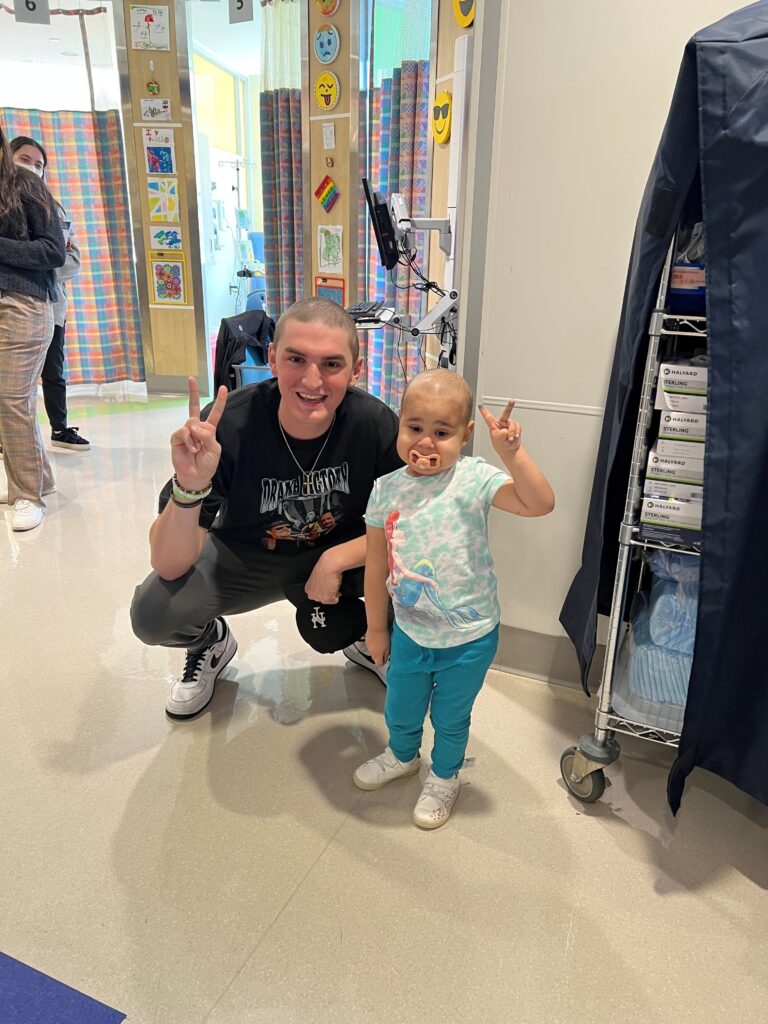
Driving to the hospital for my first day of chemo, I was beyond anxious. I remember setting up my hospital room with my family when there was a knock at the door. A little girl stood there. “Who are you?” she asked. I replied, “Hi, I’m Anthony. Who are you?” She said, “I’m Eli. I’m the boss of this floor. If you need anything, you come find me.”
I thought it was a cute joke, until I noticed her whole care team standing behind her—stone-faced and serious. This girl was the boss. Little did I know, Eli would become my best friend on that floor and the reason I share my story with you today.
Along with Eli, there were many others who were essential to my treatment. Amanda, Gina, Kourtnie, and all the nurses on the sixth floor at NewYork-Presbyterian Weill Cornell—they are angels on Earth. If it weren’t for them, I don’t know where I’d be today.
Thanks to Dr. Roth, NP Jaffe, my nurses, my family, my friends, Eli, and the grace of God, I rang the bell on November 29, 2023, signifying I was cancer-free.
Now, 21 months later, I am grateful for opportunities like this one to share my journey. Cancer survivors know the truth: the journey doesn’t end when the bell rings—it almost begins.
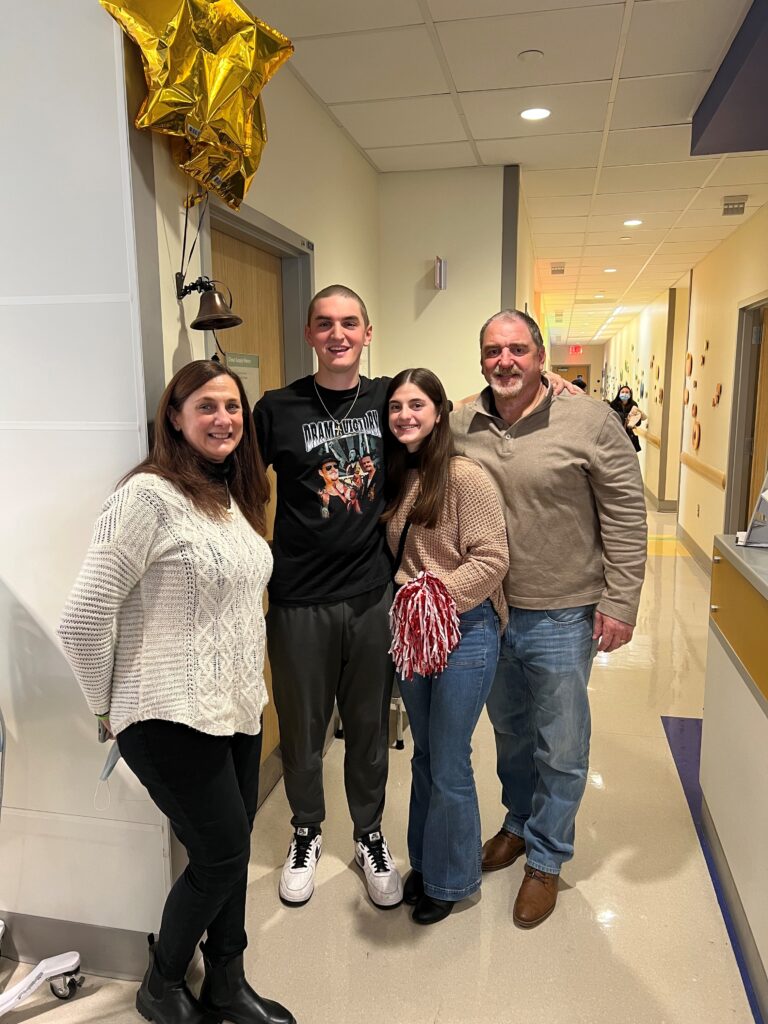
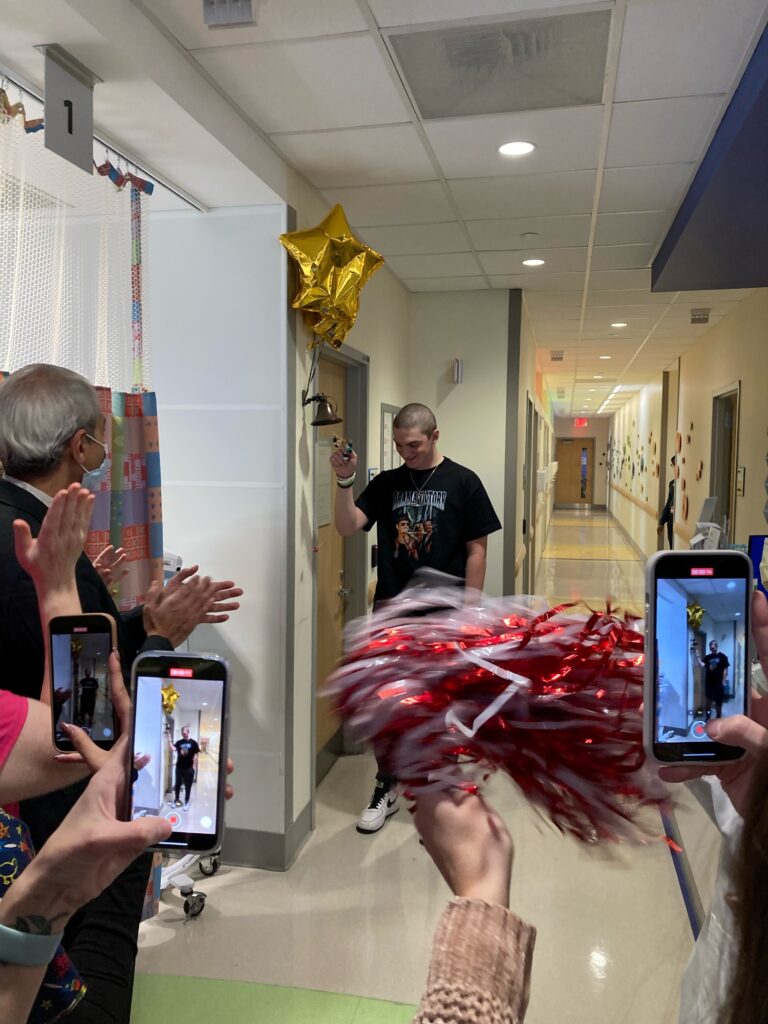
Today, I’m in the best physical and mental shape I’ve been in since diagnosis. Like during treatment, these past 21 months were filled with late nights, early mornings, and a lot of growth. There’s no manual for life post-cancer. That’s why it’s so important for those of us lucky enough to beat it to share our stories—to give hope to those in the fight and something relatable to fellow survivors.
Each day brings a new challenge. But thanks to a teaching from a little girl named Eli—who’s now like family—I know that no matter what life throws my way, all I have to do is JUST KEEP SWIMMING!