
Brescia, Hodgkin Lymphoma
Brescia, Hodgkin Lymphoma
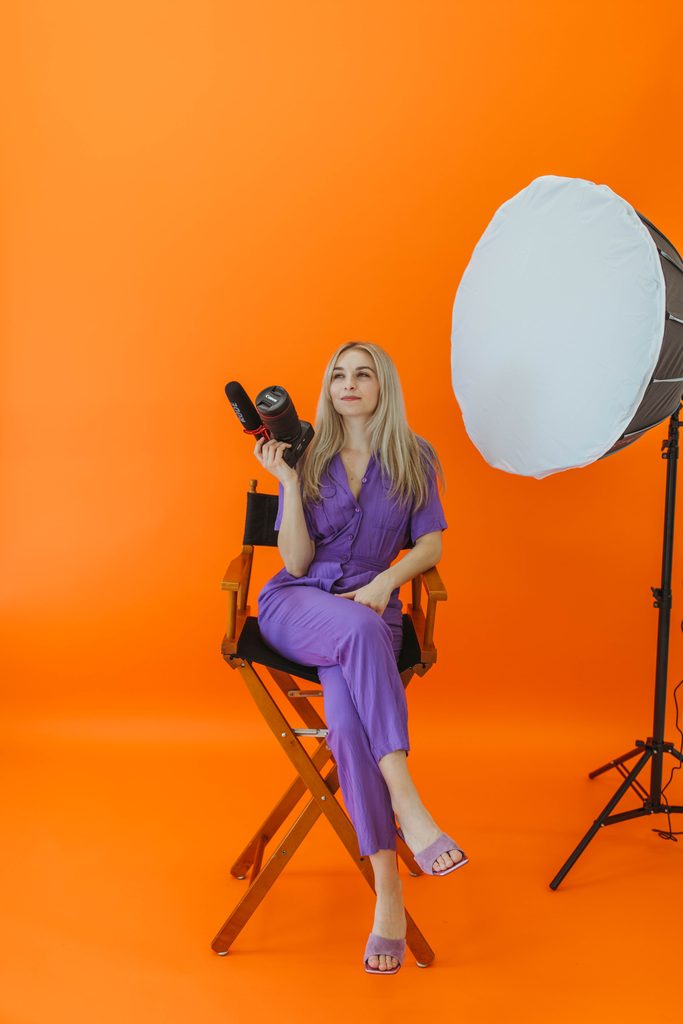
At 20 years old, I was studying creative media and film in college and spending a semester abroad in Italy. I was active, creative, traveling, and building the life I had imagined for myself. When I returned home from Italy, I went to my doctor for a routine physical. I felt completely healthy.
During the appointment, my doctor noticed swelling on the left side of my neck. I hadn’t even realized it was there. An ultrasound and surgical biopsy followed, and suddenly, I was diagnosed with Hodgkin lymphoma.
I had no family history of cancer and knew almost nothing about lymphoma or blood cancers. I had only ever seen cancer in movies. I never imagined I would be the person diagnosed with cancer in my early 20s.
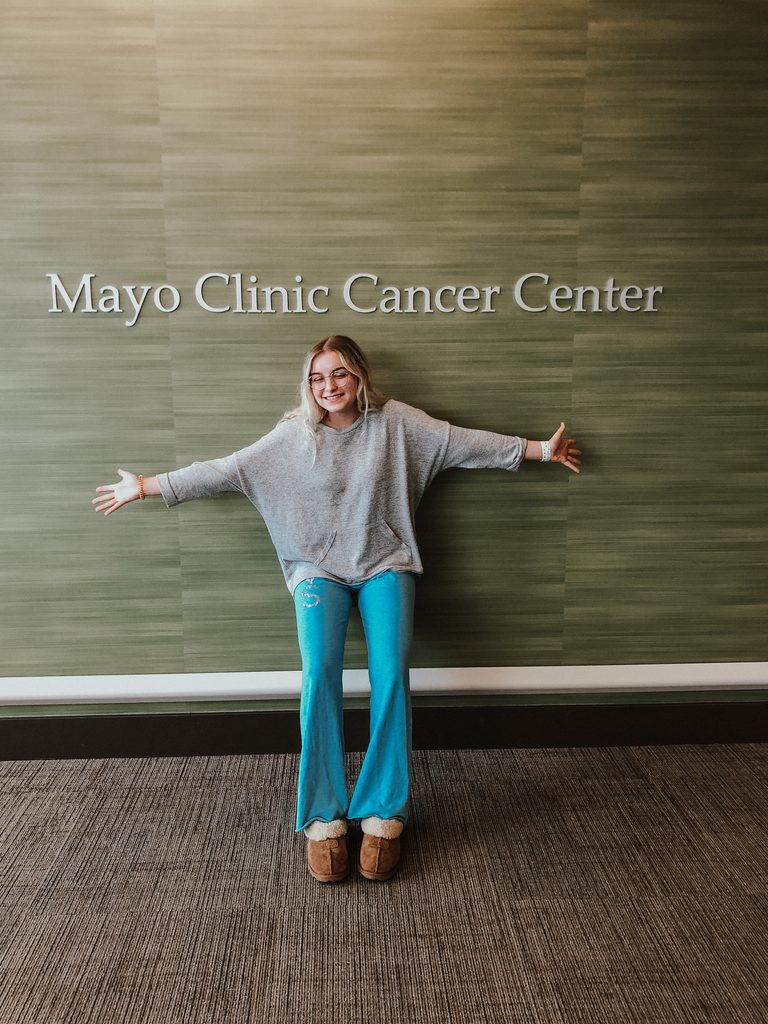
My diagnosis completely changed my life. I had to put college on hold for a semester and begin treatment. I remember leaving the appointment with my parents and thinking, I don’t know what I have to do from here, but I’m going to do it. I couldn’t see what the next chapter of my life would look like, so I focused on taking everything one day at a time. Since my family had never experienced cancer, we had a lot to learn. I met with different doctors before ultimately going to Mayo Clinic in Arizona, where I found Dr. Alison Rosenthal (a Foundation grantee), who played a significant role in my journey with cancer. She’s a leukemia survivor herself, so I felt like I was in really good hands under her care. She took the time to explain my diagnosis and treatment to me in a way I could understand, even drawing diagrams to help me visualize what was happening in my body.
We decided on chemotherapy, and ultimately, I received the ABVD chemotherapy regimen. My first treatment was administered through a vein in my arm, but it was extremely painful, so I had a port surgically placed for the remainder of my treatment.
There were difficult decisions along the way. Before treatment, my oncologist talked with me about fertility preservation and the possibility of freezing my eggs. At 20 years old, I wasn’t ready to think about having children someday. I was trying to process a cancer diagnosis and figure out how to get through treatment.
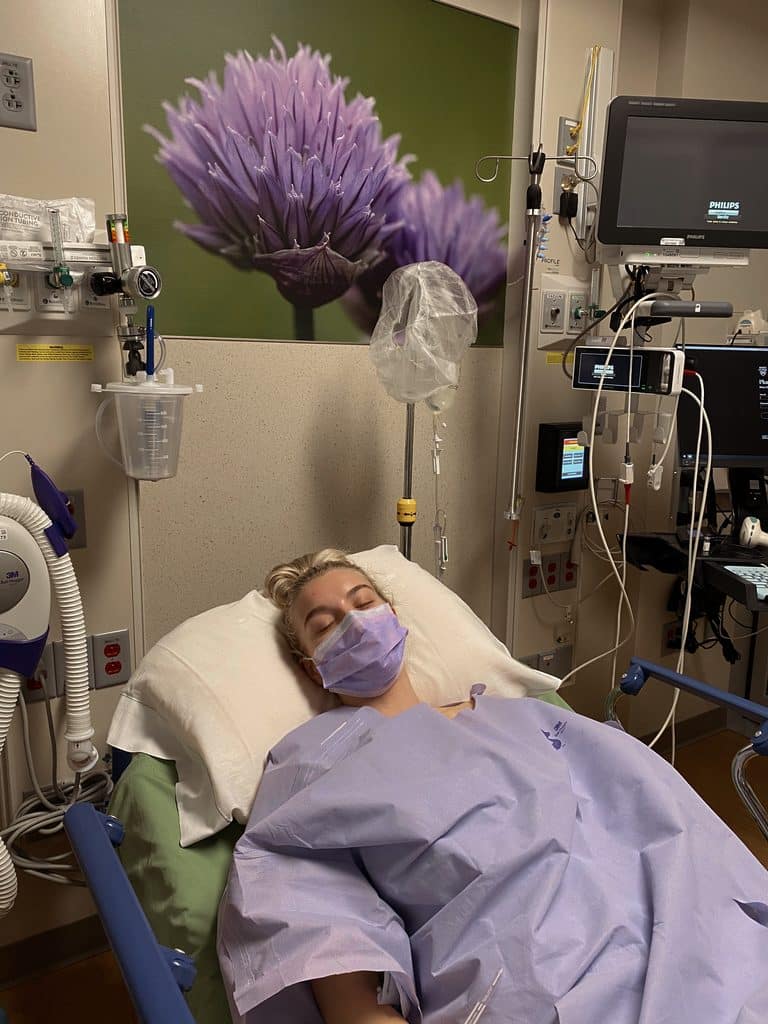
By the middle of chemotherapy, the exhaustion really started to catch up with me. I felt more physically tired than I had ever felt in my life. Toward the end of treatment, my hair began falling out, and most women will say that when you start losing your hair, it’s very challenging because so much of our identity is tied to our hair. I remember running my hands through my hair and watching clumps fall out. I was so careful with it that I would sleep on a silk pillowcase and try not to brush it. Eventually, I went to my hairdresser expecting that she would have to shave my head. Instead, she cut it very short, and I was able to keep most of my hair, which I am really grateful for. Beyond the physical challenges, pausing my college career and feeling like I didn’t have anyone around me who understood what I was going through was mentally hard. My oncologist and social worker started a young adult cancer support group, and I went to a few meetings. But at that point in my journey, hearing everyone talk about their challenges sometimes made everything feel even heavier.
When I left the hospital, I just wanted to live as normally as I could outside of treatment. My parents and two younger brothers were incredibly supportive, and I was fortunate to have health insurance through my parents. Still, there were days when getting out of bed and making it to my next treatment felt like enough. I learned that cancer isn’t only a physical experience. The mental and emotional toll can be just as difficult, especially when you’re a young adult trying to figure out who you are and what your future will look like.
I tried to take care of that part of myself, too. I meditated, wrote in my journal, spent time with family and friends, stayed creative and documented my experience. I tried to continue doing things that brought me joy and reminded me that cancer was a chapter of my story—not the entirety of it.
After treatment, I continued to experience health challenges, but something unexpected came from sharing my journey online. Through social media, I connected with other people who had experienced Hodgkin lymphoma. By being vulnerable, sharing my journey, and talking openly about how cancer affects your mental and physical health, I have achieved two beautiful things. I’m connecting with people navigating their own journeys, and I’m healing the younger version of me who wished that there was someone out there I could have watched in the same chapter as me. I think I’m able to express what I needed to see when I was struggling, and I’m also able to simultaneously help others. It also allows me to look back at the videos that were captured during that time and work on healing that part of me.
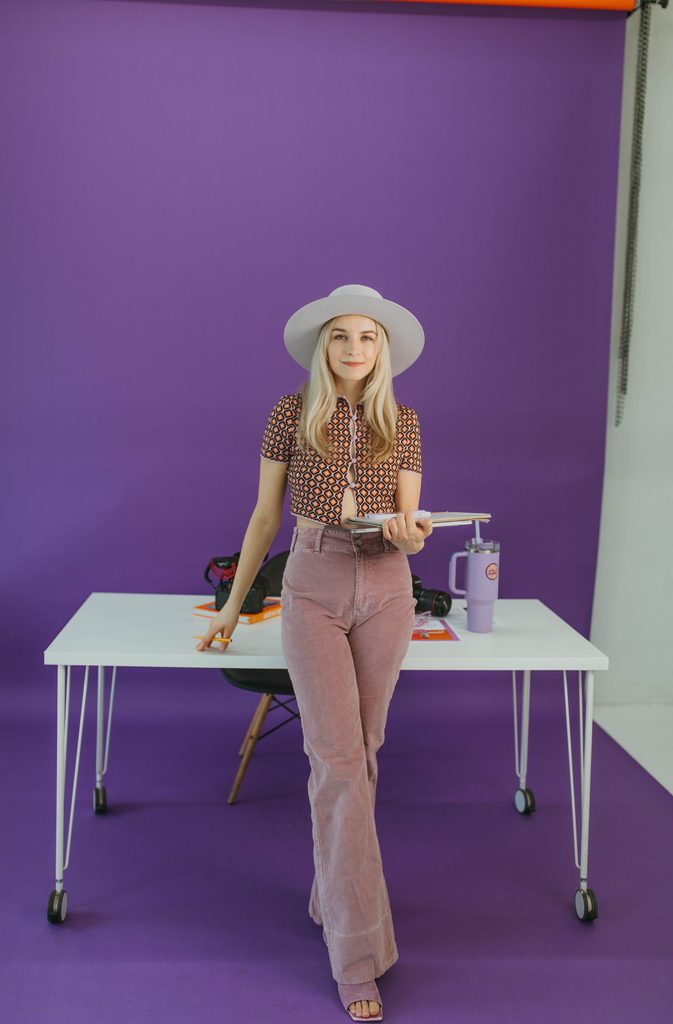
After beating cancer and documenting my life through social media, I also started my podcast, the “Checkered Jaguar,” and grew it into a boutique marketing agency that helps tell brands and businesses’ stories through creative and strategic marketing services. The podcast centers on normalizing difficult and vulnerable conversations. I have interviewed a wide variety of guests, from my oncologist, Dr. Allison Rosenthal, to psychiatrists, therapists, and more. In many ways, the experiences I’ve had have given me a deeper appreciation for difficult conversations, vulnerability, and connection. I think there is a misconception that once you beat cancer, everything is over. In reality, cancer becomes part of your story. You continue to have checkups, scans and blood work, and you carry the memory of what you’ve been through. Survivorship is complicated, but cancer also gave me something I carry with me every day: grit.
I learned an immense amount about strength and resilience. I learned how to navigate difficult situations, how to keep moving forward, and how to come out on the other side of challenges. I wouldn’t wish cancer on anyone, but I’m at peace with the fact that it became part of my story. I’m grateful for what I learned from it and for the perspective, empathy, and sense of purpose it gave me.
Now my favorite word is grit. After I beat cancer, I had the word tattooed on my left wrist because it means so much to me. If I can get through cancer, I know I can get through a lot of things life puts in front of me. For young adults facing cancer, I want them to know that their diagnosis does not have to define their entire future.
During treatment, it can be difficult to imagine anything beyond the next appointment, the next scan or the next blood draw. But cancer is a chapter of your story. It doesn’t have to be the whole story. If you can make it to the end of that road, there is a life after cancer. It may look different than the life you pictured before your diagnosis, but there can still be so much hope and light on the other side.
I’m grateful for where I am today. I am grateful to be able to pursue and grow my boutique marketing agency, The Checkered Jaguar (CheckeredJaguar.com). I’m grateful for the people who supported me, the doctors who cared for me, the communities I’ve found and the opportunity to use my experience to help someone else feel a little less alone.
I can’t change what happened to me, but I can choose what I do with the story.