

Researcher Spotlight
Researcher Spotlight: Yulai Zhou, MD, PhD
Yale University
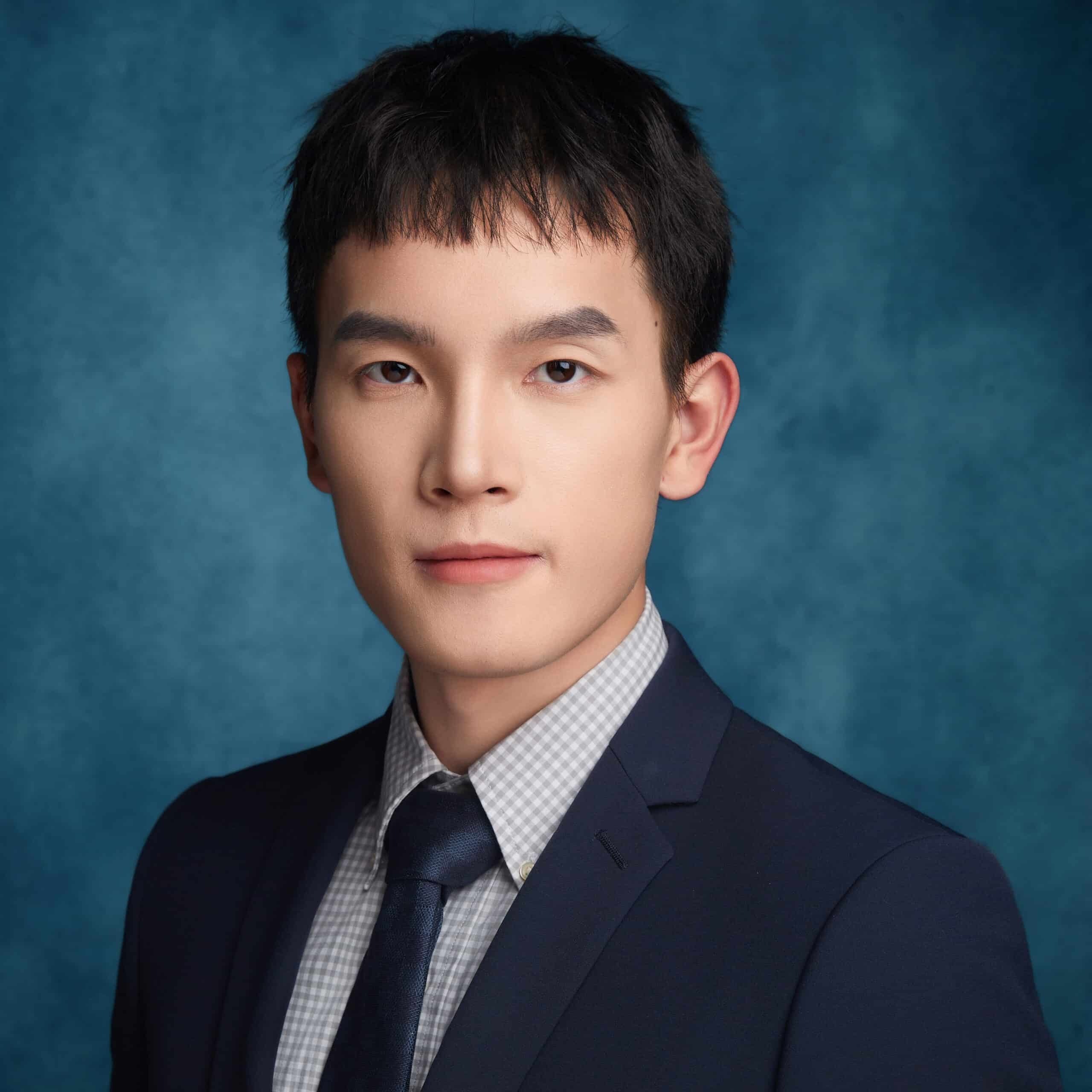
Diffuse large B-cell lymphoma (DLBCL) is an aggressive form of cancer, associated with poor treatment responses and spread throughout the body. However, the mechanisms that drive these processes are poorly understood, which makes targeting them difficult. Dr. Zhou’s research aims to understand how some of these lymphoma cells take advantage of normal immune processes to survive treatment and establish new tumors in hard-to-treat locations. “By identifying the signals that allow lymphoma to spread and persist, my research seeks to uncover new weaknesses that can be targeted with future therapies, with the goal of improving outcomes for patients with aggressive or treatment-resistant lymphoma,” he explains.
Dr. Zhou’s interest in lymphoma research began as a visiting student at University of Texas Health San Antonio, where he studied how B cells develop through a tightly controlled, competitive process to produce effective immune responses. “What fascinated me was that this same process, designed to protect us, can sometimes go wrong and give rise to DLBCL,” he explains. “This curiosity led me to focus on understanding what controls this process and what signals allow malignant cells to escape regulation. My current project grew directly from this interest, as I now study how lymphoma cells exploit these signals to survive and spread, particularly to challenging sites like the brain.”
Dr. Zhou’s work is inspired by the “complexity and elegance” of the human immune system and the ways in which these processes can be turned against the body. “Understanding how to prevent this from happening and how to target these errors in patients is what drives my research every day,” he says.