

News
The Beer, the Battle, and the Jorts: Chris Fedor’s Road Back From Lymphoma
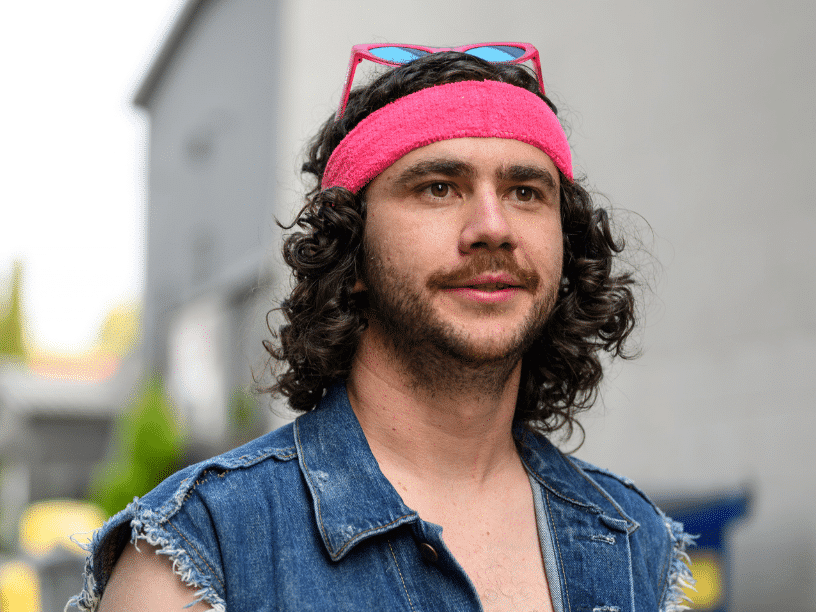
For Chris Fedor, life changed with a beer.
It was September 2023. Chris was 25 years old, healthy, working, making plans, and moving through life like anyone else in their 20s. Then, over the course of a few weeks, something started to feel different.
It began with shortness of breath. Nothing dramatic. Nothing painful. Just the strange sensation that his lungs could only fill about 90% of the way. It seemed easy to explain away—maybe allergies, maybe stress, maybe something temporary.
Then came the moment he couldn’t ignore.
After a stressful day at work, Chris sat down, opened a beer, and took a drink. About a minute later, a sharp, burning pain shot through his chest.
“It felt like I got stabbed right in the chest with a burning knife,” he later recalled.
Concerned, Chris looked up his symptoms online. While all signs led him to feel he needed to seek medical attention, he hesitated.
He had always been known in his family as someone who occasionally went to urgent care for things that turned out to be minor. But this time felt different. After texting a friend whose sister was a nurse, he decided to get checked out.
That decision would ultimately save his life.
The Diagnosis He Never Saw Coming
At urgent care, doctors performed an X-ray and an EKG, ruling out a heart attack. The initial conclusion was that he was likely experiencing heartburn.
Chris wasn’t convinced. He knew what heartburn felt like.
The next morning, his phone rang. The radiologist who reviewed his X-ray had taken another look and noticed something unusual. She recommended a CT scan.
Chris assumed it would reveal something routine, perhaps pneumonia or another easily treatable issue. He tried not to let his thoughts go further.
Then the results arrived.
While at work, Chris opened the report on his phone. Most of it was filled with medical terminology he didn’t understand. But at the very bottom were four words that changed his life:
“Consider workup for lymphoma.”
In that moment, everything stopped.
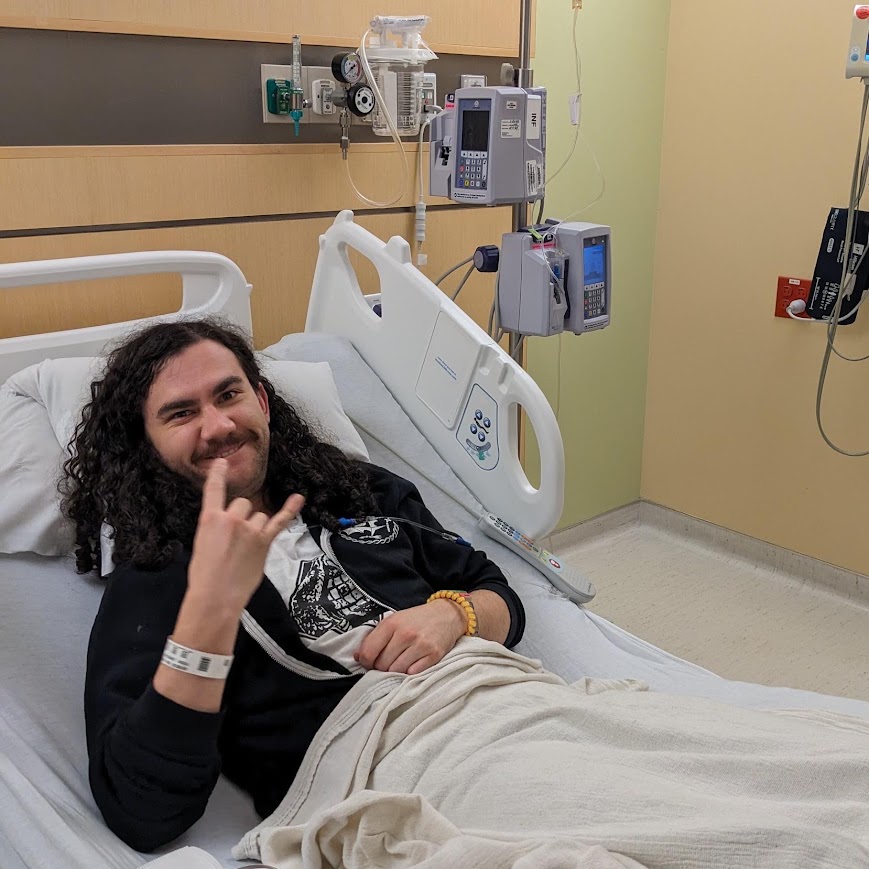
Chris struggled to process what he was reading. He wanted to cry but couldn’t. He wanted to move but felt frozen. Eventually, a coworker noticed something was wrong.
When Chris finally spoke, he could only get out a few words: “It might be cancer.”
Two days later, he underwent a biopsy.
The diagnosis came on September 22, 2023—his 26th birthday. When his doctor called with the results, Chris knew immediately. It was Hodgkin lymphoma.
Building an Army of Support
At first, disbelief took over. He wondered whether there had been a mistake. But quickly he realized this was real.
Until that point, Chris had never personally known anyone with cancer. He felt isolated and uncertain about what came next. He was preparing for a fight he had never trained for.
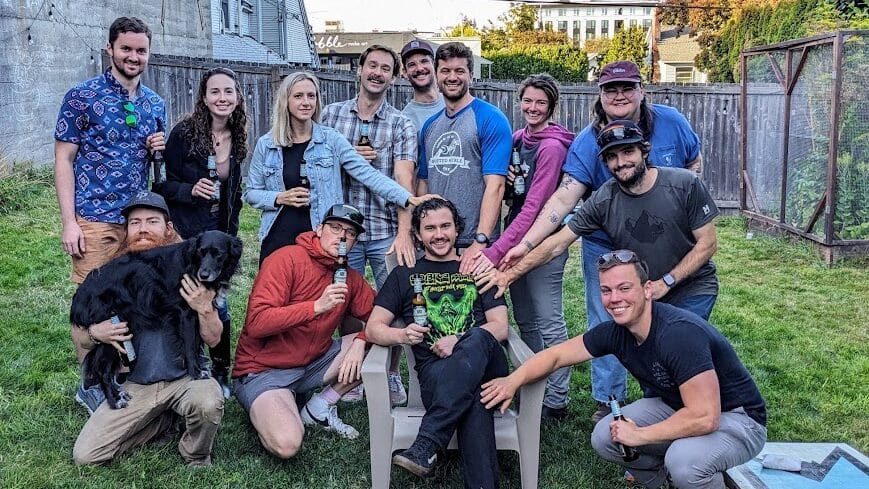
Then he realized something important: While he couldn’t control his diagnosis, he could decide whether he faced it alone. So he built a team—a support system.
His family was the part of that team he didn’t have to recruit. In the earliest appointments, someone was in the waiting room with him—most often his mom—and someone was there for the conversations that followed.
Then he started building outward.
Chris sat down and made a list of friends from every chapter of his life. He had always been someone who struggled to ask for help—someone who would say “no worries if not” even when he needed support.
Cancer forced him to change that.
One by one, he called his friends and shared the news.
The first conversations were difficult. He could hear the fear and sadness in their voices. He wanted to reassure them that he was still the same person he had always been. He didn’t want them to see him only as a cancer patient.
But over time, he began to understand something: Allowing people to help was not a burden. It was an opportunity for the people who loved him to show up.
His community became one of his greatest sources of strength.
Choosing Hope in the Infusion Chair
When chemotherapy began, Chris made a decision. Cancer was not going to take away his personality.
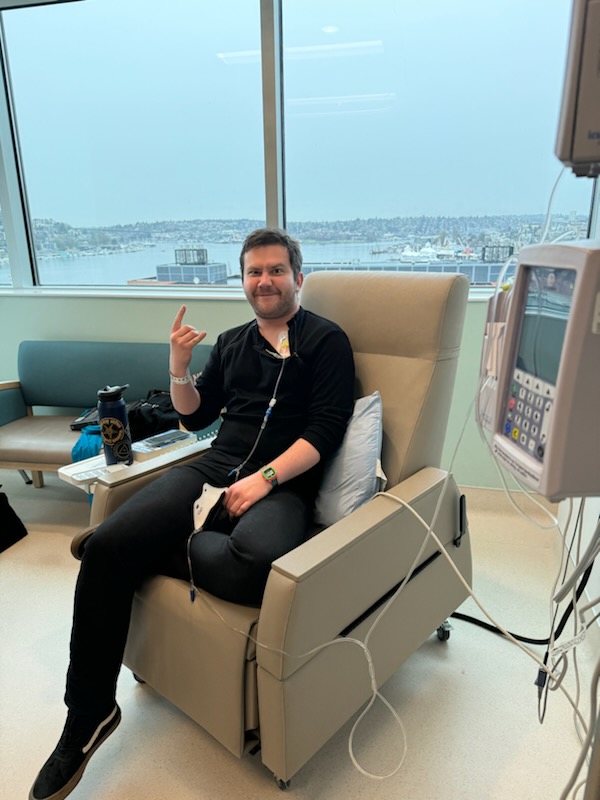
If anything, he was going to bring more of it into the treatment room. His goal became to make his nurses laugh.
“I knew if I let cancer beat me down mentally, it had already won,” Chris said. “So, I wanted to stay positive, not just for myself but for everyone around me.”
That attitude quickly became part of his identity at the cancer center.
During one infusion, a nurse walked in to help double- check his chemotherapy medications. When she realized it was Chris, she turned to her colleague and said:
“This is the guy I was telling you about.”
For Chris, it was a small but meaningful victory. He wasn’t just another patient receiving treatment, he was someone bringing joy into the room.
Chris also discovered how much uncertainty surrounds chemotherapy. Before his diagnosis, he knew very little about cancer treatment. As he began sharing his experience, he realized many others had misconceptions too.
So, he invited friends to join him during his infusions. Some conversations lasted for hours. Some friends read books or worked remotely beside him. Others simply sat with him.
By seeing treatment firsthand, his friends gained a better understanding of what he was experiencing—and Chris felt less alone.
Losing His Hair, Finding His Strength
Then came one of the biggest emotional challenges of his journey: losing his hair.
Chris had long, curly hair that had become a signature part of who he was. People often complimented it or asked about his routine. For him, it represented confidence and identity.
When he first heard the word “chemotherapy,” his first thought wasn’t about the treatment. It was about his hair.
At first, he thought he might be one of the lucky ones who kept it. But after his second infusion, the reality became impossible to ignore. His hair began falling out.
Eventually, Chris made the decision to cut it off. He expected sadness but instead, he felt something unexpected. A renewed sense of determination.
He realized that losing his hair represented letting go of the last thing cancer could take from him. He was ready to fight.
After six infusions, Chris received encouraging news from his PET scan: There was little evidence of cancer remaining.
Throughout treatment, Chris worked when he could, spent time outside, maintained relationships, and continued doing the things that made him feel like himself.
He learned to redefine what was possible. A simple task became something meaningful when he added two words: “on chemo.”
Walking his dog was different on chemo.
Going to concerts was different on chemo.
Positive News and New Challenges
Showing up for life while undergoing treatment became something worth celebrating.
After six months, Chris completed chemotherapy. But finishing treatment brought a new challenge. Survivorship.
Many people assume the hardest part of cancer is the treatment itself. For Chris, the months afterward were unexpectedly difficult. His body needed time to rebuild, and emotionally, he needed time to process everything he had experienced.
Then came the news he had been waiting for. On May 31, 2024, Chris met with his oncologist to review his scans. Chris was in remission.
But surprisingly, the victory did not immediately feel the way he expected. For nearly a year, his purpose had been clear: defeat cancer.
Now, he had to figure out what came next. Eventually, he realized his next challenge wasn’t fighting a disease, it was rebuilding himself.
He looked in the mirror and saw someone who had survived something extraordinary. Someone who was stronger, more resilient, and more determined than before.
So, he started running.
Running as a Way of Healing
At first, Chris could barely run a mile or two. His body was still recovering from months of treatment. But he kept going.
Eventually, he signed up for a half marathon. Then he set a bigger goal. A marathon.
His first attempt was interrupted by injury, but even that setback felt different. Instead of seeing it as failure, Chris put it into perspective. He had fought cancer, and this was just another challenge he could defeat.
On September 6, 2025, exactly two years after his first urgent care visit, Chris stood at the starting line of a marathon.
Just as he had throughout his cancer journey, he wanted to make the moment his own. So he decided to run the race in cutoff jean shorts—jorts.

The $5 pair of jorts represented everything Chris had learned throughout his journey: resilience, humor, individuality, and refusing to let difficult circumstances define him.
The race was challenging. Around mile 14, exhaustion set in. His body wanted to stop.
Then he remembered the question that had carried him through cancer: Was this harder than what he had already survived?
The answer was no. So he kept moving, crossing the finish line in 3:59:41, breaking four hours by just 19 seconds— a long-shot goal of his.
Two years after cancer changed his life, he accomplished something he once never thought possible. In jorts.
The Lessons Left Behind
In November of 2026, he is running another marathon, but this time to support the Lymphoma Research Foundation. While Chris lived most of his life in Utah, California, and Washington, he was born in Brooklyn. To honor his roots, he will be running in the TCS New York City Marathon, and because he doesn’t like to do things the “easy” or “normal” way, he will of course, be running in jorts.
Looking back on his journey, Chris doesn’t minimize how difficult cancer was. The diagnosis, treatment, and uncertainty changed him forever. But they also gave him something unexpected. Perspective.
“Hope isn’t pretending you aren’t scared,” Chris says. “Hope is being scared and finding a reason to laugh anyway.”
For Chris, hope looked like making nurses laugh during chemotherapy. It looked like accepting help from friends. It looked like baking cookies, finding joy in small moments, and eventually crossing a marathon finish line.
Cancer changed his life, but it didn’t define it. And now, grateful for his second chance at life, he looks forward to being able to give that same chance to everyone else facing their own battle.
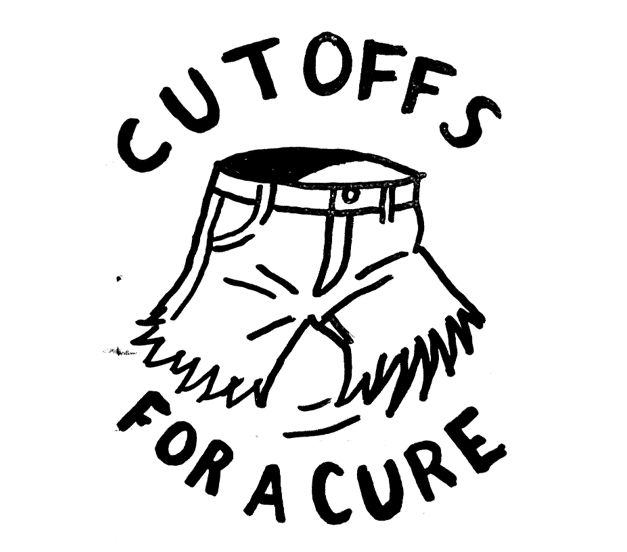
Learn more about Chris’ “Cutoffs for a Cure” fundraising efforts, read more about his story, and support him on this journey by visiting giving.lymphoma.org/cutoffsforacure.