

News
Meet the 2025 Newly Elected Scientific Advisory Board Members
The Lymphoma Research Foundation welcomed four new members to its Scientific Advisory Board (SAB), including Jeremy Abramson, MD (Massachusetts General Hospital); Megan So-Young Lim, MD, PhD (Memorial Sloan Kettering Cancer Center); Dr. Matthew Maurer, ScD, MS (Mayo Clinic, Rochester); and Scott Rodig, MD, PhD (Dana-Farber Cancer Institute).
Comprised of 45 world-renowned lymphoma experts, the Lymphoma Research Foundation’s SAB seeks out the most innovative and promising lymphoma research projects for support. Members of the Foundation’s SAB are leaders in blood cancer research, with unparalleled experience and accomplishments in both lymphoma-specific research and clinical care. They guide the planning of the Foundation’s research portfolio, selecting and monitoring grant recipients and designing the Foundation’s international consortia and scientific programs.
The new SAB members will join current members to review grant proposals, make recommendations regarding research priorities and funding to the Foundation’s Board of Directors, evaluate the progress of ongoing research projects, and guide the strategic direction of the Foundation’s research programs and consortia.
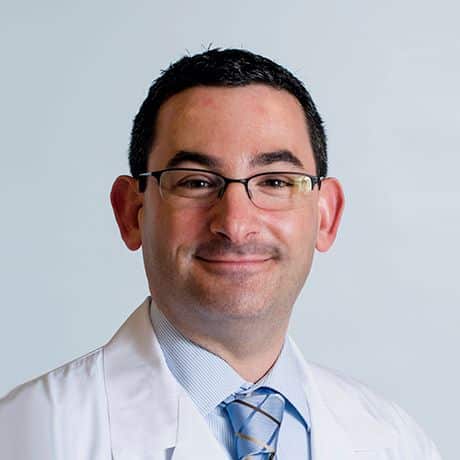
Jeremy Abramson, MD
Massachusetts General Hospital
Dr. Abramson is the director of the lymphoma Program at the Massachusetts General Hospital Cancer Center and an associate professor of medicine at Harvard Medical School. He earned his medical degree from Mount Sinai School of Medicine and a master’s degree in medical sciences from Harvard Medical School. He was first inspired to a career in lymphoma research during his time as a hematology and oncology fellow at the Dana-Farber Cancer Institute. “I was inspired by the resilience and optimism of the lymphoma patients I cared for during my first year of fellowship training,” he says. “I subsequently became fascinated with the heterogeneous biology across disease subtypes and the range of treatments available and in development.”
Today, Dr. Abramson’s research is focused on conducting clinical trials of novel targeted therapies and immunotherapies. His long-term goals are to reduce oncologists’ reliance on traditional chemotherapies while simultaneously improving outcomes and quality of life for patients with lymphoma. He led pivotal trials leading to the approval of the chimeric antigen receptor (CAR) T-cell therapy lisocabtagene maraleucel for large B-cell lymphomas as well as others in the large B-cell and Hodgkin lymphoma spaces.
As part of the Scientific Advisory Board, Dr. Abramso is eager to help the Foundation push the envelope of research into novel therapies, particularly at a time when federal support is declining. “I look forward to working with an inspiring team of colleagues and Foundation staff to address the most pressing needs for our lymphoma patients and advance the research and young investigators who will drive our field forward,” he says

Megan So-Young Lim, MD, PhD
Memorial Sloan Kettering Cancer Center
Dr. Lim is an attending hematopathologist at Memorial Sloan Kettering Cancer Center, where her research focuses on understanding the cellular mechanisms that drive lymphoma. Her interest in lymphoma biology began early in her career as a medical student at the University of Calgary, where she earned both her medical degree and a PhD. “I have a long-standing interest in understanding the cellular mechanisms involved in lymphoma formation and progression,” she says. With a clearer understanding of lymphoma biology, Dr. Lim’s research aims to identify clinically relevant biomarkers that can aid in early detection of lymphoma and long-term disease monitoring.
As a member of the Scientific Advisory Board, Dr. Lim is eager to leverage her knowledge and experiences to help enhance the quality of science being supported by the Foundation. “I am passionate about sharing my experiences with junior members of the scientific community,” she says. “I have a unique combination of pathologic and biologic insights that will be valuable for the scientific community.”
Matthew Maurer, ScD, MS
Mayo Clinic, Rochester
Dr. Maurer is a biostatistician and lymphoma researcher at the Mayo Clinic in Rochester, MN. He earned his master’s degree in statistics from Iowa State University and a Doctor of Science in medicine from Aalborg University in Denmark. “As a biostatistician initially working on clinical trials in solid tumors, I was fortunate early in my career to have the opportunity to work with some wonderful lymphoma-focused collaborators and tackle some challenging problems,” he says. “Through this work, I learned a lot about the disease and found a niche where I felt I could apply my skills to help patients and improve the lives of those diagnosed with lymphoma. I now consider myself a lymphoma researcher who just happens to be a biostatistician.”
“As a statistician, I have the opportunity to collaborate with researchers across a wide range of lymphoma studies,” Dr. Maurer explains. Using large datasets from these studies, his research team is working to build statistical models and interactive tools to help predict outcomes for patients with lymphoma as well as improve the statistical design of future clinical trials. “I am very proud of the work we’ve done to improve how we think about prognosis and outcomes in aggressive B-cell lymphomas such as diffuse large B-cell lymphoma (DLBCL) as well as to make sure clinical trials in this setting are able to enroll the patients who have the greatest need for new therapeutic options,” he says. “We recently published a new prognostic model called the FLIPI24 that we believe will improve our understanding of prognosis and how we design clinical trials in indolent lymphomas such as follicular lymphoma.”
With his colleagues on the Scientific Advisory Board, Dr. Maurer looks forward to sharing his skills as both a lymphoma researcher and statistician. “In my collaborations with the Foundation, I have seen firsthand how the SAB contributes in many ways,” he says. “The SAB helps bring experts together to determine research priorities and facilitate collaborations between investigators across the lymphoma research community.”
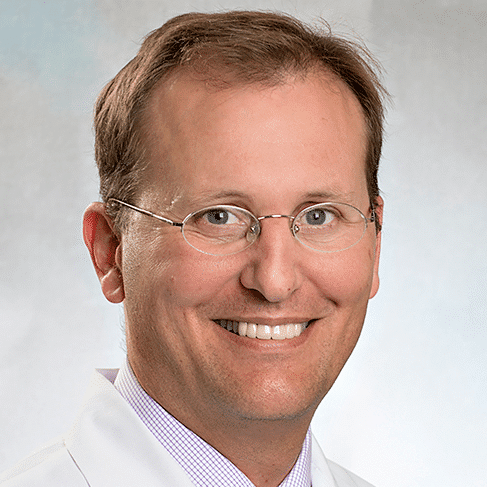
Scott Rodig, MD, PhD
Dana-Farber Cancer Institute
Dr. Rodig is a professor of pathology at Brigham and Women’s Hospital and Harvard Medical School. He earned his medical degree from Washington University School of Medicine and completed residencies in anatomic pathology and hematopathology. Throughout this training, he developed a keen interest in understanding the immunobiology of lymphoma.
“The immune system has an important role in both inhibiting and promoting the development of lymphoma,” he explains. My research involves identifying the key immune cell types and proteins that govern the patient’s immune response to lymphoma and exploring how old and new therapies harness the patient’s immune system to combat lymphoma.” His research has resulted in the discovery of several major mechanisms that drive immune evasion in Hodgkin lymphoma and has led to the development of clinical trials that supported the approval of PD-1 inhibitors to treat patients with this disease.
As a member of the Scientific Advisory Board, Dr. Rodig looks forward to supporting educational and research initiatives that help further our understanding of lymphoma biology, diagnostics, and treatment as well as reviewing new research proposals that will move the field forward. “There have been tremendous advances in our understanding of lymphoma,” he says. “Its causes, clinical course, response, and resistance to treatments…if the current pace of discovery and new treatments continue, I believe patients will continue to have improved chances of cures and better long-term health with their disease.”
Read More Articles from Pulse
Pulse is a publication of the Lymphoma Research Foundation, providing the latest updates on the Foundation and its focus on lymphoma and chronic lymphocytic leukemia (CLL) research, awareness, and education