

News
World Cancer Day: Uniting Research, Care, and Hope for People With Lymphoma
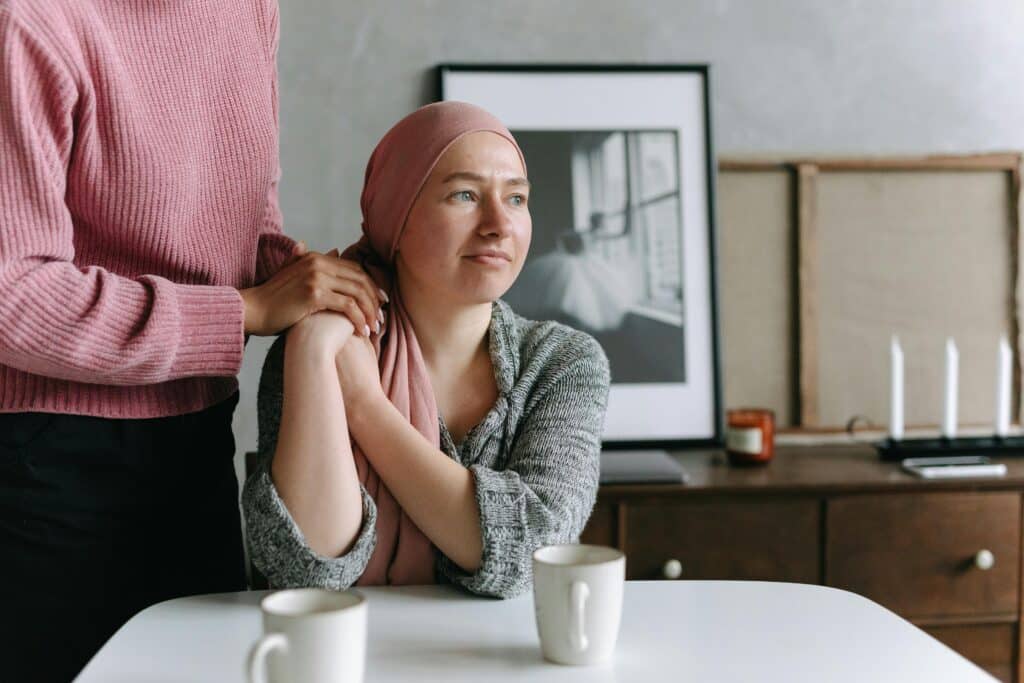
In 2022, the International Agency for Research on Cancer at the World Health Organization (WHO) documented nearly 20 million new cancer cases worldwide. In the year 2050, the WHO projects that there will be over 35 million new cancer cases. These statistics are major driving forces behind many charities and advocates who are determined to put an end to this disease. In fact, one of the most prominent initiatives, World Cancer Day, is happening today.
What Is World Cancer Day?
World Cancer Day is an annual event created by the Union for International Cancer Control to raise awareness towards diagnoses, care, and research. The day was established at the World Summit Against Cancer for the New Millennium in Paris 26 years ago and has been officially recognized ever since. The Union seeks to support and educate those impacted by cancer while promoting global equity, scientifically backed resources, and lasting change.
Similar days include World Lymphoma Awareness Day and Blood Cancer Awareness Month, which both take place in September.
From 2025 to 2027, the Union’s theme is “United by Unique,” which aims to give individuals the personal care they deserve. To date, World Cancer Day has reached over 100 countries with nine million engagements gained and hundreds of unique human stories shared.
What Makes Lymphoma a Blood Cancer?
Most people are familiar with the word cancer—and many have even heard the term blood cancer. However, lymphoma might be a term less familiar to some, despite it being one of the most common blood cancers. In fact, lymphoma is the most common type of blood cancer in adults and the third most common in children.
So, is lymphoma a blood cancer? Yes. Lymphoma begins in the lymphocytes—a type of white blood cell that plays a critical role in protecting the body from infection. Blood cancers are diseases that start in the blood, bone marrow, or lymphatic system. Lymphoma fits this definition because it develops in the lymphatic system:
- Origin in White Blood Cells (Lymphocytes): Lymphoma starts when normal lymphocytes (B cells, T cells, or NK cells) grow and multiply uncontrollably.
- Circulation in the Body: Because the lymphatic system is connected to blood flow, abnormal lymphoma cells can travel throughout the body.
- Systemic Disease: Unlike solid tumors that typically begin in one organ, lymphoma affects the blood and immune system, making it a systemic (whole-body) disease from the start.
This makes lymphoma fundamentally different from solid tumor cancers and places it firmly in the category of blood cancers.
Lymphoma is often referred to as the “Rosetta Stone” of cancer research, as many discoveries initially made in lymphoma have changed the treatment landscape for other cancer types.
The Role of the Lymphoma Research Foundation
The Lymphoma Research Foundation’s mission is to realize the promise of science to eradicate lymphoma and serve the community touched by this disease.
In 2026, an estimated 88,240 new cases of non-Hodgkin and Hodgkin lymphoma, and 22,760 of CLL, will be diagnosed in the US. CLL is a type of lymphoma, and so in total, an estimated 111,000 people will be diagnosed with lymphoma in 2026.
The Foundation is laser-focused on providing accurate information, advancing cutting-edge research, and trusted support tailored specifically for lymphoma. For patients and families navigating the complexities of this disease, that dedication matters. That is why we exist—and why our role is more critical than ever. As the nation’s only nonprofit devoted exclusively to lymphoma, the Foundation provides:
- Expert-reviewed education tailored specifically to lymphoma patients and care partners.
- Free support services providing the guidance, resources, and compassion needed to navigate this journey.
- Investment in research to support the careers of hundreds of scientists and drive discoveries that have transformed patients’ lives.
On World Cancer Day, the Lymphoma Research Foundation is joining people around the world to recognize everyone impacted by lymphoma and other cancers. It’s a chance to come together, raise awareness, and highlight why continued research and better access to care matter so much.
Help Us Accelerate Our Search for a Cure!
With your help, we have invested more than $82 million in lymphoma-specific research, and we stand with the lymphoma community every step of the way, offering guidance, advocacy, and connection.