Adolescents and Young Adults
Understanding Lymphoma and Chronic Lymphocytic Leukemia (CLL)
Download the Adolescents and Young Adults pdf
Introduction
Adolescents and young adults (AYAs) ages 15 to 39 years are more likely to be diagnosed with cancer than younger children. Although lymphoma is one of the most common cancers to develop in AYAs under the age of 25, other cancers such as leukemia, melanoma, testicular cancer (germ cell tumors), breast cancer, and thyroid cancer are also commonly diagnosed in this age group.
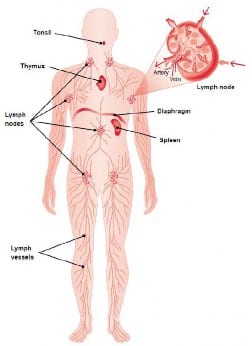
Lymphoma is a cancer of the lymphatic system which includes a network of lymph nodes (small bean-shaped structures that help the body fight disease, Figure 1), glands, and vessels and is part of the immune system. It occurs when cells of the immune system called lymphocytes, a type of white blood cell, grow and multiply uncontrollably. Cancerous lymphocytes can travel to many parts of the body, including the lymph nodes, spleen, bone marrow (the spongy tissue inside the bone), blood, or other organs, and form a mass called a tumor.
The relative youth and maturity level of AYAs has a significant effect on their ability to manage their diagnosis and treatment. In general, it is challenging to be an AYA in life without cancer. Once the diagnosis is made, it is common to have thoughts such as “this cannot happen to me” and overall healthcare-related knowledge, unique concerns regarding body image and fertility issues, relationship matters, jobs and schooling must all be considered when building a treatment plan for AYAs. Additional issues such as health insurance, potential financial hardships, and peer concerns must all be managed carefully.
Potential challenges that AYAs may face include:
- Management of a diagnosis and treatment plan
- Opportunities for treatment in a pediatric or adult center
- Identification of the most appropriate healthcare team who understands the unique needs of AYAs
- The evolution of relationships with family members and peers
- Concerns about fertility and body image
- Sexual health
- The transition to and from school and work environments
- Health insurance and financial challenges
There are a growing number of programs offered at cancer centers throughout the United States to help AYAs receive expert care for their disease and offer support for psychosocial and fertility/sexual health concerns.
Medical Challenges
AYAs may dismiss early warning signs and potential symptoms of lymphoma and delay seeking medical attention, in part because many cancer symptoms are associated with normal body changes that are common at this age. It is also a common time for transitioning from seeing a primary care provider that specializes in adolescents and children to one that cares for adults and not looking for medical attention can delay an accurate diagnosis. It is critical that AYAs seek professional medical care instead of depending on internet platforms or social media as a primary source of information about their symptoms.
Once lymphoma is diagnosed, AYAs often have unique biological development issues to consider. Younger AYAs have bodies that are changing and growing rapidly, which is important. It is completely normal for AYAs to be hesitant or uncomfortable when describing what they are feeling or when asking questions. For most AYA’s, their parents may have managed medical issues for them or with them so they may have little experience speaking with a doctor themselves. Even though feeling afraid is normal, it is important to try to overcome feelings of discomfort when discussing questions and concerns about a diagnosis, treatment, side effects or even topics like sexuality with the doctor or healthcare team. Communication between patients and their doctors is extremely important and is always kept confidential.
Some AYAs may feel more comfortable having their parents or a trusted friend present during appointments, while others may prefer to speak with their doctors alone. Patients should do whatever makes them feel the most comfortable so they can actively participate in the discussion and play a role in making decisions about their care. It is also okay for patients to talk with their doctor about whether they should get a second opinion about their disease and/or treatment.
Physical Abilities
For many AYAs, appearance and physical strength are important parts of their self-image. Some lymphoma treatments can cause temporary or permanent physical changes to the body, including hair loss, surgical scars, weight gain or loss, fatigue (feeling tired all the time), and/or problems with balance and agility. This may make AYAs and all patients feel self-conscious or insecure and may impact how they relate to others. Physical changes and reduced energy levels could require changes to their normal routine, and they may need to adjust their expectations at a time in their lives when they crave normalcy and want to fit in with their peers.
Although it seems counterintuitive, some patients describe positive changes in their body image due to living with lymphoma referred to as resilience. For example, they may gain an appreciation of their body’s ability to recover or discover that appearance and body shape are less important than they used to be. Scars can be seen as signs of courage and survival.
Before starting treatment, it is important that AYAs speak with their doctors and healthcare team about physical changes to expect so they are fully prepared if these changes arise. There are many valuable resources available throughout their cancer experience such as physical therapists, dietitians, fitness coaches, and counselors who specialize in helping cancer patients deal with these changes. AYAs are encouraged to use all the resources available to plan and work toward a post-cancer lifestyle that includes their passions and interests.
AYAs and their care partner are strongly encouraged to keep copies of all medical records and test results as well as information on the types, amounts, and duration of all treatments received by using the Lymphoma Care Plan document.
Emotional Impact
Many AYAs are at a time in their lives when they are becoming independent, establishing relationships and careers, exploring their sexuality, and forming their own views of the world. A lymphoma diagnosis can interrupt this process; instead of dealing with those life issues, they must face not only their own distress and emotions about their diagnosis but those of their family and friends as well. They may also find themselves reevaluating their priorities and goals.
AYAs’ personal and social priorities may often compete with their treatment, and they may feel resentful that time they would normally spend with friends and attending social events or other activities may now be spent at doctor appointments or having tests or treatments.
Even when treatment ends, it is normal to experience fear of recurrence, anxiety about returning to work or school, insecurity about physical changes caused by treatment, frustration over the pace of recovery, concerns about medical bills and health insurance, and/or uncertainty about the future.
Parents, family, and friends will want to offer comfort and support; however, many AYAs find that people their own age who are also dealing with a cancer diagnosis or treatment may be able to provide unique insights and support. The people they meet in these support groups are experiencing the same feelings and concerns and may be able to offer valuable suggestions and encouragement. The internet and social media have increased the number and variety of resources available, both in person and online, which can be helpful for developing a support network. Many people also benefit from speaking with a therapist or counselor trained in helping people with cancer.
Relationships and Family Dynamics
A lymphoma diagnosis may affect patients’ attempts to establish independence from their parents, find a life partner, and raise a family. Each relationship will be affected differently. Some relationships will strengthen, while others may become strained. Although family support and unity are important, the various perspectives and expectations that family members have may contribute to different forms of stress. A professional counselor may be helpful for those who find it difficult to express their feelings with their family members.
Parents. Following a lymphoma diagnosis, AYAs may find it necessary or comforting to return home to live with their parents. Moving in with parents or another family member may feel like giving up newly found independence, and some AYAs find that their parents become overprotective or try to take charge. Remember that it is natural for parents to want to protect and take care of their children. It is also important to remember that parents are dealing with their own emotions, as well as those of their other family members. Conversely, some AYAs may find themselves becoming overprotective of their parents or wanting to shield them from the stress of their disease. Although talking to parents may be difficult, it is important for AYAs to keep an open line of communication. Parents can often provide help with a range of challenges, both practical and emotional, at home and in the hospital.
Dating. Dating and developing new relationships can be challenging for AYAs dealing with lymphoma. Many struggle with decisions about when to reveal their health histories and how to discuss the impact that their long-term survival or ability to have children may have on the relationship. Deciding when to tell someone about a lymphoma diagnosis is a personal choice. The right time to share this information will differ for each person, but considering these situations and implications in advance and determining how to handle them can help ease any fears and tensions.
Partners. Young adults typically do not expect a spouse or partner to face a life-threatening illness. Frequently, a lymphoma diagnosis means changes in a couple’s intimacy, parenting, and future plans, as well as the roles and responsibilities of each partner. This can be overwhelming for both partners, who may experience sadness, anxiety, depression, or anger. Professional counseling may be beneficial for couples whose relationship becomes strained after a lymphoma diagnosis. For others, facing the challenges of cancer together can strengthen a couple’s relationship.
Fertility. Now that so many cancers diagnosed in AYAs are curable, there is more focus on the effects that cancer treatment may have on fertility and preserving patients’ ability to have children. While fertility may return following treatment, it is important to prepare for the possibility of permanent infertility. Fertility issues should be discussed with the healthcare team at the time of diagnosis, because AYAs can take steps to preserve their fertility before their lymphoma treatment begins. It is important to note that children born to cancer survivors are not at higher risk for birth defects or cancer due to cancer treatment compared with the general population.
School
It is not uncommon for younger AYAs to take time off from school during cancer treatment. When they do return to school, it is natural to want to jump right in and return to a normal schedule; however, patients need to remember that going back to school can be physically and emotionally tiring. Before returning to school, AYAs in high school and their parents may want to meet with a school administrator to coordinate their transition back to school. Similarly, for AYAs who are in college, it is a good idea to meet with someone from the Office of Student Affairs before returning to classes to discuss the transition back to school and to explore available health, financial aid, and career planning resources. In addition, the medical staff in the student health center may want to discuss the cancer treatment, current health status, and expected needs for follow-up care. Most student health centers will want to do everything they can to help students with their transition back to school.
Attendance issues can be challenging when returning from cancer treatment, especially because of frequent doctor visits. Meeting with academic advisors or school administrators can help clarify the best course choices to complete educational goals. Students may also want to consider taking a reduced course load.
Some AYAs may experience academic challenges when returning to school. Although rare, students can experience learning problems such as difficulties with concentration, memory, reading comprehension, or handwriting. These problems may be temporary, but some may be long-term. If any of these challenges arise, it is important to ask for help from the healthcare team as well as from teachers and academic administrators. Federal laws allow students with disabilities to receive special accommodations, which may include extended time to complete tests, audio textbooks, free tutoring, or modified housing, upon request.
Work and Career
AYAs are typically at an age when they are just entering the workforce. Lymphoma and its treatment can affect their ability to work. Although most patients are able to fully resume work, it can be challenging to incorporate doctor visits, appointments for treatments, and time needed to recover from treatment into a work schedule. Many cancer patients find that their ability to perform certain tasks and/or their overall productivity at work is affected. It is common for AYA patients to make changes in their work schedule, including taking time off, switching from full-time to part-time work, or changing to a job that is less demanding or has a more flexible schedule. It is important for AYAs to understand their rights as an employee, as well as how to work with their employer to arrange for accommodations that meet everyone’s needs. AYAs should consider arranging a meeting with the human resources representative in their workplace to discuss possible and appropriate accommodations prior to treatment, as well as before their anticipated return to work. It is also helpful for AYAs to review their employee manual regarding sick time, medical leave, short- and long-term disability benefits, and the company’s policy on reasonable job accommodations (e.g., allowing time off for treatment). Also, they should be prepared to provide their employer with information from the physician, including the treatment plan and how it may affect their work schedule.
Becoming familiar with the laws and agencies that protect against workplace discrimination and allow for medical leave, such as the Americans With Disabilities Act ; the Family and Medical Leave Act; and the Equal Employment Opportunity Commission, may be helpful, too. Another helpful resource is Cancer and Careers, which empowers and educates people with cancer to thrive in their workplace, by providing expert advice, interactive tools and educational events.
Health Insurance and Financial Concerns
Health insurance is a major issue for many AYAs, as the financial costs of diagnosis, treatment, and short- and long-term care can be extensive. AYA cancer survivors have a higher risk of developing long-term health problems, including issues with infertility, their heart or lungs, and secondary cancers; however, some of these issues may not arise for many years following treatment. For this reason, it is important to maintain health insurance coverage even after completing treatment. Young adults in general are at risk of having no insurance coverage if treatment and recovery have impeded their ability to obtain or hold down a job. A provision of the Patient Protection and Affordable Care Act allows young adults to remain on their parent’s health plans until the age of 26 years (if unmarried) as long as a parent has health insurance. There are people with expertise, such as social workers and case managers, who can help young adults navigate insurance and financial options. AYA-specific information about the Affordable Care Act can also be found here . The Samfund provides support for young adult cancer survivors in the United States as they recover from the financial impact of cancer treatment through direct financial assistance and free online support and education.
Treatments Under Investigation
Many treatments at various stages of drug development are currently being tested in clinical trials, including some for the AYA population. For information on treatments under investigation, visit the Lymphoma Research Foundation’s website. It is critical to remember that today’s scientific research is continuously evolving. Treatment options may change as new treatments are discovered and current treatments are improved.
Therefore, it is important that patients check with their physician or with the Foundation for any treatment updates that may have recently emerged.
Clinical Trials
Clinical trials are an important treatment option for cancer patients of all ages since they provide the most up-to-date treatments. However, AYAs are far less likely to enroll in clinical trials than children or middle-aged adults. Currently, only about two percent of young adults with cancer are treated in clinical trials. The reasons include lack of access or lack of referrals to specialized cancer treatment centers, financial concerns, inadequate health insurance, patient and family reluctance to enter trials, and lack of physician awareness of clinical trials for this age group. Participation of more AYAs in clinical trials will help improve treatment, survival, and understanding of the types of cancers that occur in younger patients. Patients interested in participating in a clinical trial should view the Understanding Clinical Trials fact sheet on the Foundation’s website, talk to their physician, or contact the Foundation’s Lymphoma Resource Center for an individualized clinical trial search by calling (800) 500-9976 or emailing [email protected]. Also note that while pediatric cancer centers will typically take all patients through age 21 (and often older), Children’s Oncology Group trials generally include patients up to 30 years of age.
Survivorship and the Importance of Long-Term Medical Follow-up
It is important for every lymphoma patient, regardless of age, to have a survivorship care plan that includes guidelines for monitoring and maintaining their health, including regular physical examinations to check for long-term side effects of treatment. Visit lymphoma.org/publications to download the Foundation’s Lymphoma Care Plan, which patients should complete with their healthcare professional. This is particularly important for younger cancer survivors, as they have many years ahead and may be facing different concerns than older cancer survivors. Patients in remission (disappearance of signs and symptoms) should have regular visits with a physician who is familiar with their medical history and the treatments they have received, because some side effects may not appear until months or years after their treatment is completed.
Patients and their care partners are encouraged to keep copies of all medical records and test results as well as information on the types, amounts, and duration of all treatments received. This plan can help improve patients’ quality of life as they move beyond lymphoma treatment. For AYAs, these records will also be important for remembering and communicating their cancer experience with new healthcare providers as they age.
Long-Term Emotional and Psychological Impact
The trauma of being diagnosed with lymphoma and having gone through physically and mentally challenging treatments can also have long-term psychological effects. AYA cancer survivors are at increased risk for anxiety, depression, substance abuse, and suicide; however, there are many forms of support available. Support groups or relaxation techniques are helpful for some people. Some AYAs may benefit from the assistance of a mental health professional.
Patient and Care Partner Support Services
The Lymphoma Research Foundation recognizes the need to engage and support the AYA research community, patients, and families. The Foundation’s AYA Lymphoma Initiative aims to assist young lymphoma patients in addressing the unique medical challenges, psychosocial needs, and access issues they may encounter by providing expert materials, programs, and support services. The Foundation’s AYA Lymphoma Consortium further aims to advance the study of AYA lymphomas and improve treatments and care for this patient population, from the point of diagnosis through long-term survival.
Lymphoma Care Plan
Keeping your information in one location can help you feel more organized and in control. This also makes it easier to find information pertaining to your care and saves valuable time. The Foundation’s Lymphoma Care Plan document organizes information on your health care team, treatment regimen, and follow-up care. You can also keep track of health screenings and any symptoms you experience to discuss with your health care provider during future appointments. The Lymphoma Care Plan document can be accessed here.
Patient Education Programs
The Foundation also offers a variety of educational activities, including live meetings and webinars for individuals looking to learn directly from lymphoma experts. These programs provide the lymphoma community with important information about the diagnosis and treatment of lymphoma, as well as information about clinical trials, research advances and how to manage/cope with the disease. These programs are designed to meet the needs of a lymphoma patient from the point of diagnosis through long-term survivorship. View our schedule of upcoming programs.
Lymphoma Resource Center
The Foundation’s Lymphoma Resource Center staff are available to answer your general questions about lymphoma and treatment information, as well as provide individual support and referrals to you and your loved ones. Callers may request the services of a language interpreter. The Foundation also offers a one-to-one peer support program called the Lymphoma Support Network and clinical trials information through our Clinical Trials Information Service. For more information about any of these resources, visit our website at lymphoma.org, or contact the Lymphoma Resource Center at (800) 500-9976 or [email protected].
Para información en Español, por favor visite lymphoma.org/es. (For Information in Spanish please visit lymphoma.org/es).
Understanding Lymphoma and Chronic Lymphocytic Leukemia (CLL) is published by the Lymphoma Research Foundation for the purpose of informing and educating readers. Facts and statistics were obtained using published information, including data from the Surveillance, Epidemiology, and End Results (SEER) Program. Because each person’s body and response to treatment is different, no individual should self-diagnose or embark upon any course of medical treatment without first consulting with his or her physician. The medical reviewer, the medical reviewer’s institution, and the Foundation are not responsible for the medical care or treatment of any individual.
© 2024 Lymphoma Research Foundation Last updated May 2024
The Lymphoma Research Foundation appreciates the expertise and review of our Editorial Committee:
Co-Chair: Leo I. Gordon, MD, FACP
Robert H. Lurie Comprehensive Cancer Center of Northwestern University
Co-Chair: Kristie A. Blum, MD
Emory University School of Medicine
Jennifer E. Amengual, MD
Columbia University
Carla Casulo, MD
James P. Wilmot Cancer Institute
Alex Herrera, MD
City of Hope
Shana Jacobs, MD
Children’s National Hospital
Patrick Conner Johnson, MD
Massachusetts General Hospital
Manali Kamdar, MD
University of Colorado
Ryan Lynch, MD
University of Washington
Peter Martin, MD
Weill Cornell Medicine
Neha Mehta-Shah, MD, MSCI
Washington University School of Medicine St. Louis
Lia Palomba, MD
Memorial Sloan Kettering Cancer Center
Pierluigi Porcu, MD
Thomas Jefferson University
Sarah Rutherford, MD
Weill Cornell Medicine
Supported through grants from: