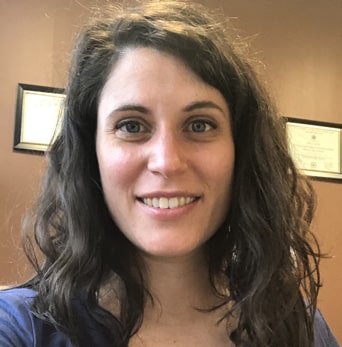
Nichole Musumeci

Nichole Musumeci

Ran Xu, PhD

Researcher Spotlight: Ran Xu, PhD DANA FARBER CANCER INSTITUTE Many patients with mantle cell lymphoma (MCL) achieve complete remission with novel chimeric antigen receptor (CAR) T cell therapies, but some cancer cells remain that may eventually lead to relapse. Using…

David Russler-Germain, MD, PHD

Researcher Spotlight: David Russler-Germain, MD, PhD Washington University School of Medicine Although genetic mutations can drive the development of cancer, many healthy white blood cells intentionally alter their DNA to generate diverse antibody responses to infections. Dysregulation of this activity…

Patrick Reville, MD

Researcher Spotlight: Patrick Reville, MD THE UNIVERSITY OF TEXAS MD ANDERSON CANCER CENTER Relapsed or refractory large B-cell lymphoma (LBCL) are aggressive forms of lymphoma associated with poor long-term outcomes. Chimeric antigen receptor (CAR) T cell therapies targeting CD19, engineered…

Huan-Chang Liang, PhD

Researcher Spotlight: Huan-Chang Liang, PhD PERELMAN SCHOOL OF MEDICINE, UNIVERSITY OF PENNSYLVANIA Chromosome breaks that result in a fusion between the NPM1 and TYK2 genes are found in a rare subtype of lymphoma known as ALK-negative anaplastic large cell lymphoma…

Antonio Ferreira, PhD

Researcher Spotlight: Antonio Ferreira, PHD Brigham and Women’s Hospital The tumor microenvironment, comprised of both tumor cells and healthy cells, may play a role in growth and proliferation of malignant cells. Dr. Ferreira’s LRF research, funded under the Foundation’s larger…

Clarissa Corinaldesi, PhD

Researcher Spotlight: Clarissa Corinaldesi, PHD Columbia University Burkitt lymphoma (BL) is a rare but highly aggressive form of lymphoma that primarily affects children and young adults. While many patients are effectively cured with aggressive chemotherapy, a small subset of patients…

Ivan Cohen, MD

Researcher Spotlight: Ivan Cohen, PHD PERELMAN SCHOOL OF MEDICINE, UNIVERSITY OF PENNSYLVANIA Chimeric antigen receptor (CAR) T cell therapy is a form of immunotherapy that modifies a patient’s own immune cells to recognize and kill tumor cells. Anti-CD19 CAR T…

Tomohiro Aoki, MD

Researcher Spotlight: Tomohiro Aoki, MD, PHD BC CANCER Interactions between tumor cells and healthy cells leads to the formation of a tumor microenvironment that can affect response to treatment. These relationships are bidirectional: Pressure from healthy immune cells can lead…

Boyu Hu, MD

Researcher Spotlight: BOYU HU, MD The University of Utah Some patients with chronic lymphocytic leukemia (CLL) respond poorly to treatment due to genetic changes that affect primary DNA damage repair (DDR) mechanisms targeted by currently approved agents. Instead, the CLL…

Lorenzo Falchi, MD

Researcher Spotlight: Lorenzo Falchi, MD MEMORIAL SLOAN KETTERING CANCER CENTER For the last two decades, follicular lymphoma (FL) has been treated with traditional chemotherapy. While effective, this treatment is not considered curative and can cause a host of short- and…