
Cutaneous B-Cell Lymphoma
Long-term Survivorship
Patients in remission from cutaneous B-cell lymphoma should have regular visits with a physician who is familiar with their medical history and the treatments they have received. Medical tests (such as blood tests and computed tomography [CT] scans) may be required at various times during remission to evaluate the need for additional treatment.
Some treatments can cause long-term effects or late effects, which can vary based on duration and frequency of treatments, age, gender, and the overall health of each patient at the time of treatment.
Patients and their caregivers are encouraged to keep copies of all medical records and test results as well as information on the types, amounts, and duration of all treatments received.
Learn More
To learn more about long-term survivorship, view the Lymphoma Survivorship Guide Series. Want to talk to someone? For answers to lymphoma-related questions and resources, contact our Lymphoma Resource Center at (800) 500-9976 or [email protected].
Additional Resources
To learn more about CBCL, view the Indolent B-Cell Lymphomas Guide.
Events
Events
-
-
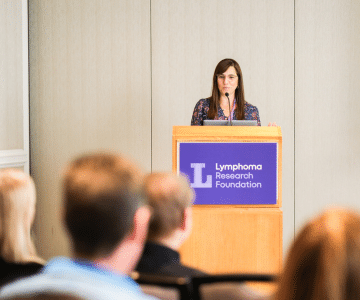
Lymphoma Talk: Houston
The Westin Houston Medical Center/Museum District 1709 Dryden Road, Houston, Texas, United StatesLymphoma Talk is a two-hour weekday evening in-person program led by lymphoma experts that provides […]
-

Ask the Doctor About Lymphoma: Information for Newly Diagnosed Patients
Program Overview This program provides newly diagnosed patients with a strong foundation to begin their […]
-

Update on Follicular Lymphoma Webinar
Webinars are hour-long interactive programs discussing the diagnosis and treatment of specific lymphoma subtypes and […]